
YOAK PLAT
About The Product
A Yoke Plate is a type of hardware fitting used in high-voltage transmission lines and substations. It is a flat steel or forged iron plate, often with holes at each end, designed to connect multiple insulator strings or conductors in electrical power systems. Yoke plates are crucial for ensuring mechanical strength, alignment, and load distribution in suspension or tension arrangements.
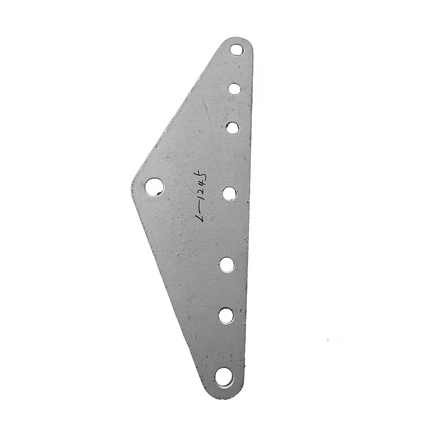
featueres
1. High Tensile Strength: Made from forged steel or hot-dip galvanized steel to withstand high mechanical loads.
2. Corrosion Resistance: Typically hot-dip galvanized as per standards like ASTM A153 or ISO 1461.
3. Precision Hole Alignment: Engineered for accurate placement and spacing of eye or clevis fittings.
4. Load Uniformity: Ensures equal load distribution on attached insulator strings.
5. Weatherproof: Suitable for outdoor environments and varying weather conditions..
usage

1. Connect double or multiple insulator strings to a single suspension or tension point.
2. Distribute mechanical loads between two or more strings of insulators.
3. Serve as a junction between conductors and insulators or between insulators and towers/poles.
4. Maintain electrical and mechanical balance and stability in multi-circuit systems.
size and rang
Standardization
1. IEC 61284 – Overhead lines – Requirements and tests for fittings
2. IS 2486 (Part 1 & 2) – Indian standard for insulator fittings
3. BS EN 61284 – British standards
4. ANSI C135 Series – American National Standards for line hardware
5. ASTM A153 / ISO 1461 – Galvanizing standards for corrosion protection
.
application
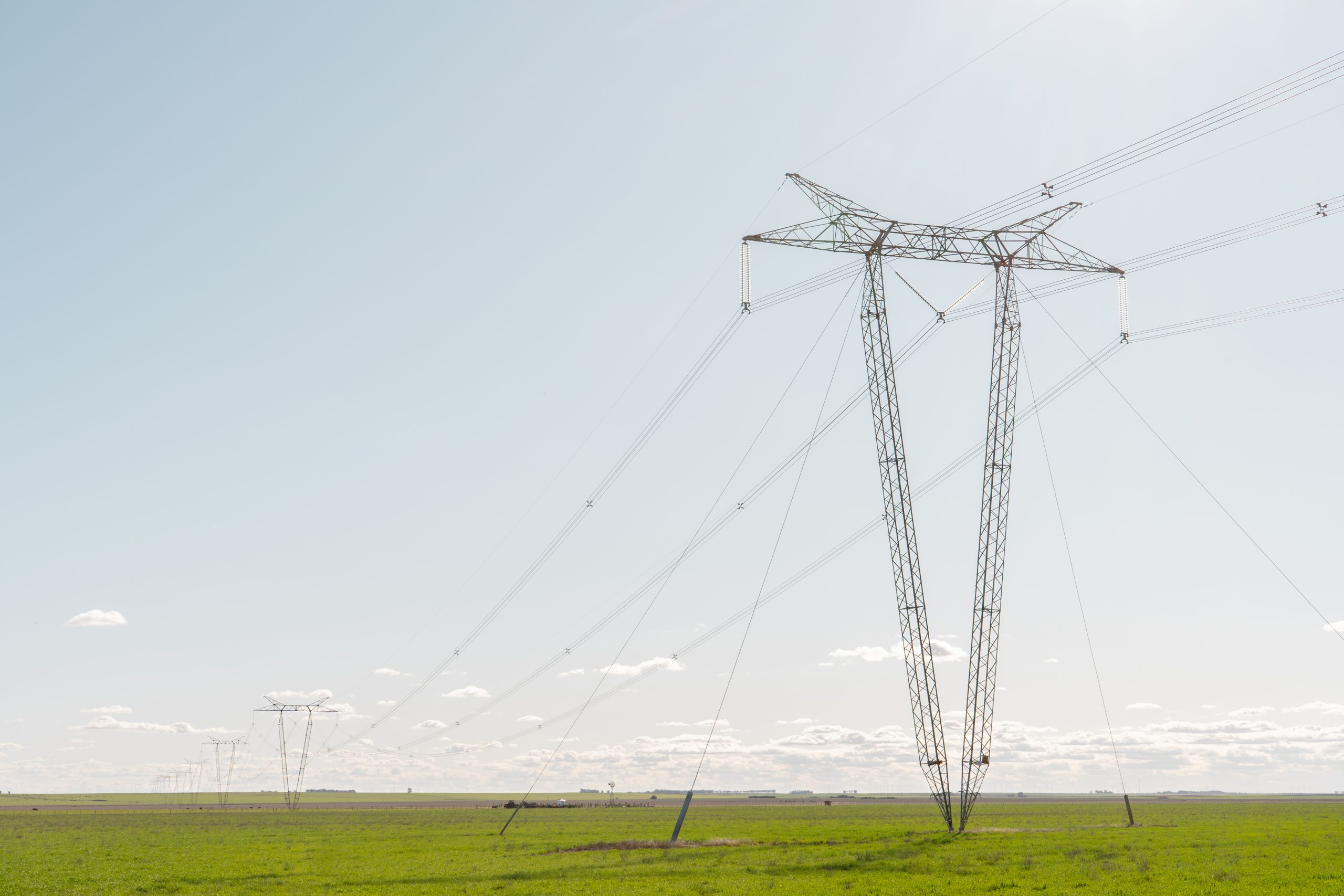
Overhead Transmission Lines (HV & EHV):
66 kV, 132 kV, 220 kV, 400 kV, 765 kV lines
Substation Structures
Busbar support and tension applications
Double Circuit Towers:
Splitting tension and suspension loads between circuits
Railway Electrification (OHE Systems):
Connecting insulator assemblies in catenary systems
installation
➥Preparation: Ensure the plate and all fasteners are free from rust and defects.
➥Alignment: Match the holes with the insulator fittings or hardware attachments.
➥Bolting:Use appropriate bolts/nuts, tighten to specified torque levels.
➥Inspection: Check for secure fitting, ensure no misalignment or imbalance.
➥Testing: Apply mechanical tension to test the load-bearing capacity if required.
.