
POST INSULATORS
About The Product
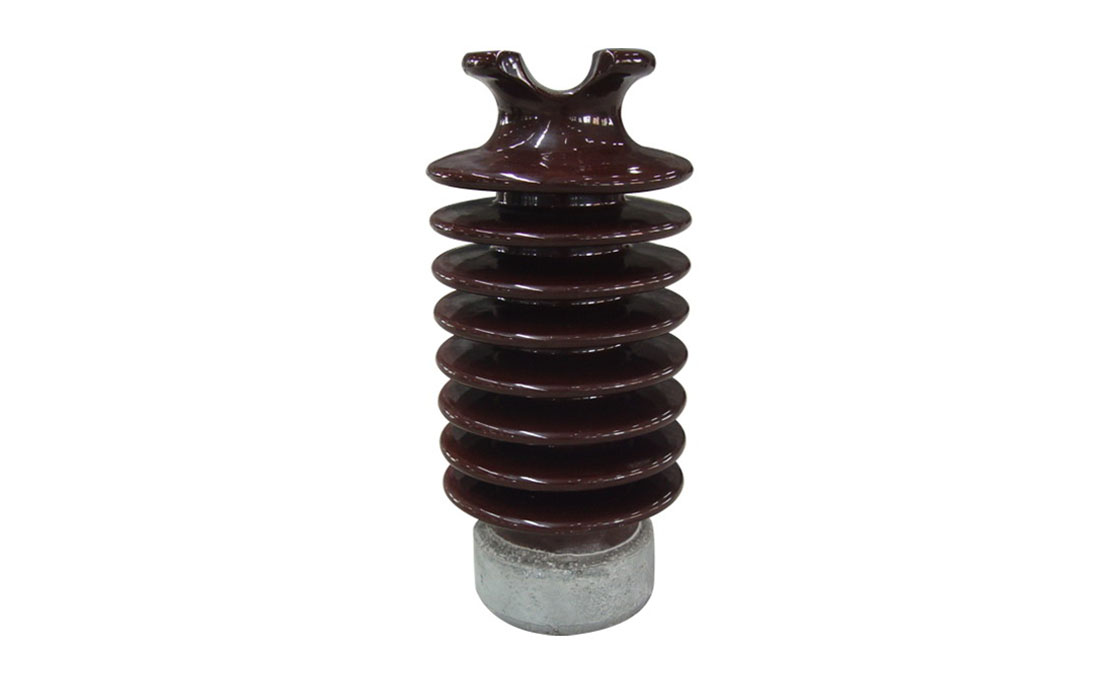
Post insulators are a type of high-voltage insulator used primarily to support electrical conductors and equipment in substations and overhead transmission/distribution systems. Unlike suspension insulators, post insulators are designed to be mounted upright on supporting structures, such as poles or towers. They are made from materials such as porcelain, glass, or polymer (composite), and they ensure the mechanical support and electrical insulation of energized components from the ground and each other.
featueres
1. High Mechanical Strength: Capable of withstanding heavy vertical and horizontal loads.
2. Excellent Electrical: Insulation: Prevents flashovers and leakages even in high-voltage environments.
3. Weather Resistance: Withstands UV radiation, pollution, rain, and temperature extremes.
4. Durable Construction: Long service life with minimal maintenance.
5. Creepage Distance: Long surface distance to prevent tracking and arcing under contaminated conditions.
6. Customization: Available in different heights, materials, and voltage ratings.
usage
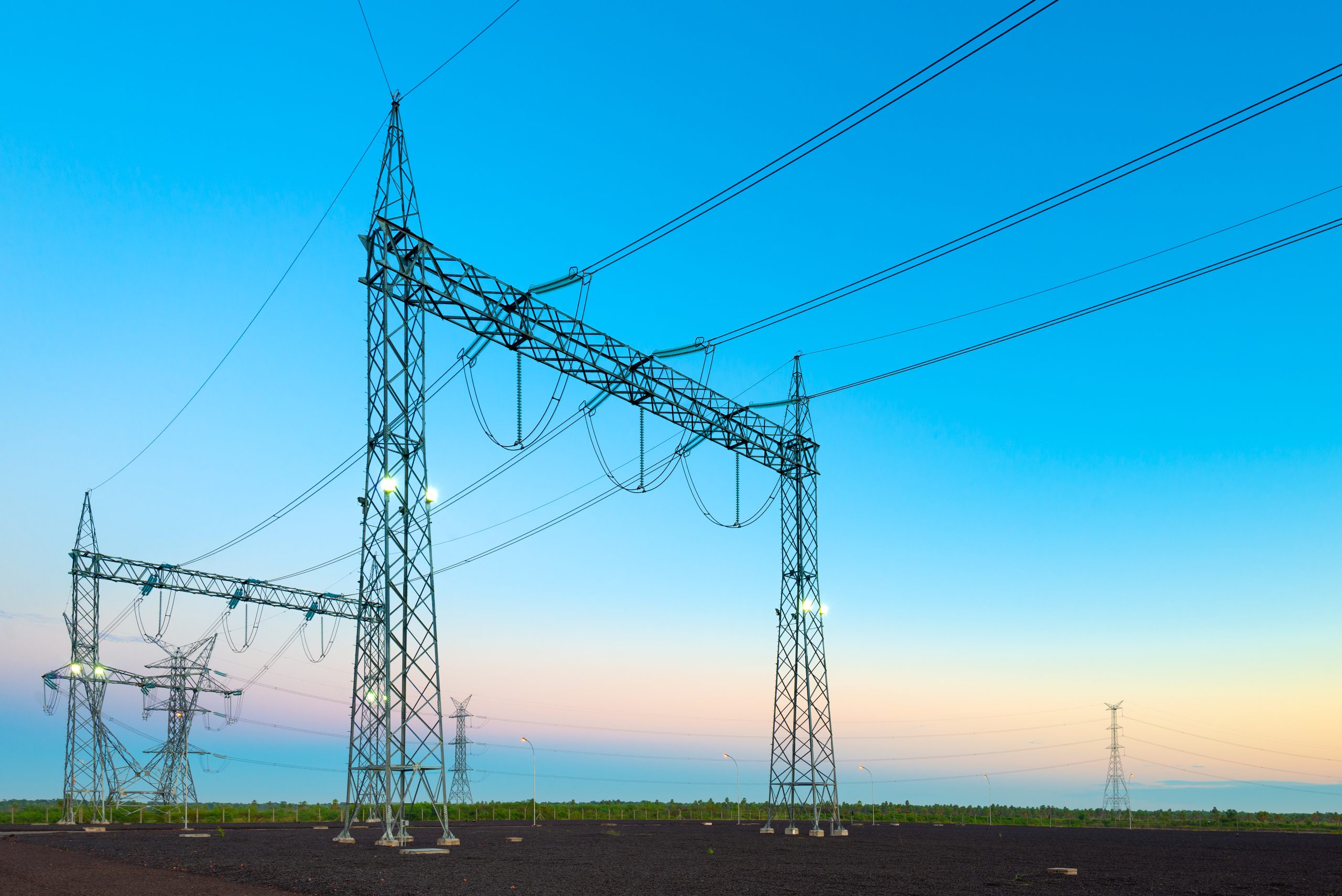
1. Substations:: As support insulators for bus bars, disconnect switches, circuit breakers, and other components.
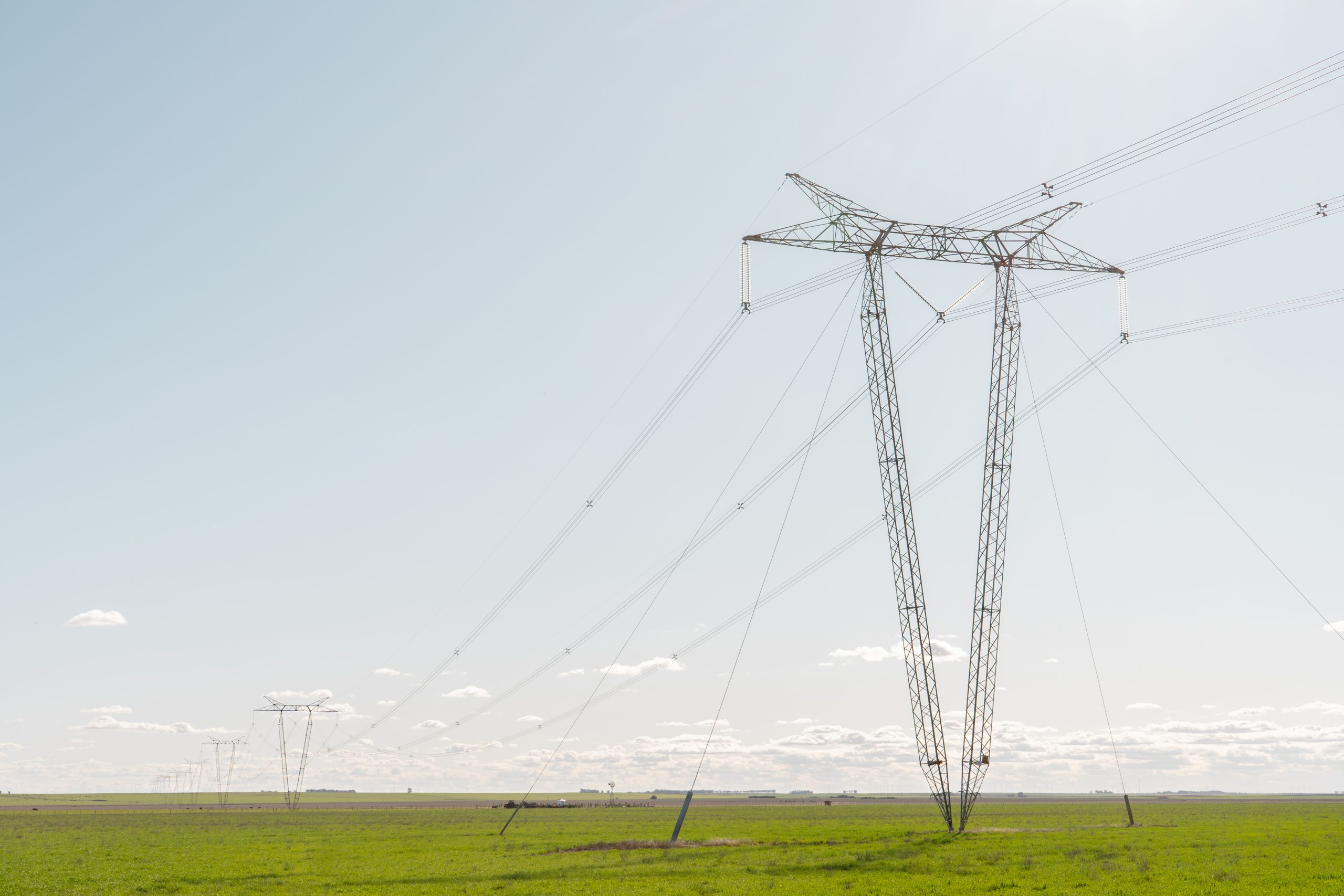
2. Distribution & Transmission Lines: : Used in vertical or horizontal configurations to support conductors.
3. Railways Electrification:: In overhead traction systems.
4. Power Transformers & Switchgear: For insulation between high-voltage terminals and grounded parts.
size and range
standardization
1. IEC 60273: Characteristics of indoor and outdoor post insulators
2. IEC 60383: Insulators for overhead lines
3. ANSI C29.9, C29.8 (for station post insulators)
4. IS Standards (India): IS 2544, IS 5300
5. Porcelain per IEC 60672
6. Polymer (Silicone rubber, EPDM) per IEC 61109
aPPLICATION
1. Power Generation Stations
2. Transmission and Distribution Substations
3. Railway Electrification Systems
4. Switchgear and Control Equipment
5. Industrial Power Installations
6. Outdoor High Voltage Equipment
INSTALLATION
➥ Mounting: Typically mounted vertically on foundations or steel structures using base flanges or bolts.
➥ Alignment: Must be aligned vertically to avoid undue mechanical stress.
➥ Earthing: Proper earthing and bonding required in substations.
➥ Handling: Care must be taken to avoid surface cracks and maintain cleanliness.
➥ Testing: High-voltage tests should be performed after installation for insulation verification.