POLYMER INSULATORS
About The Product
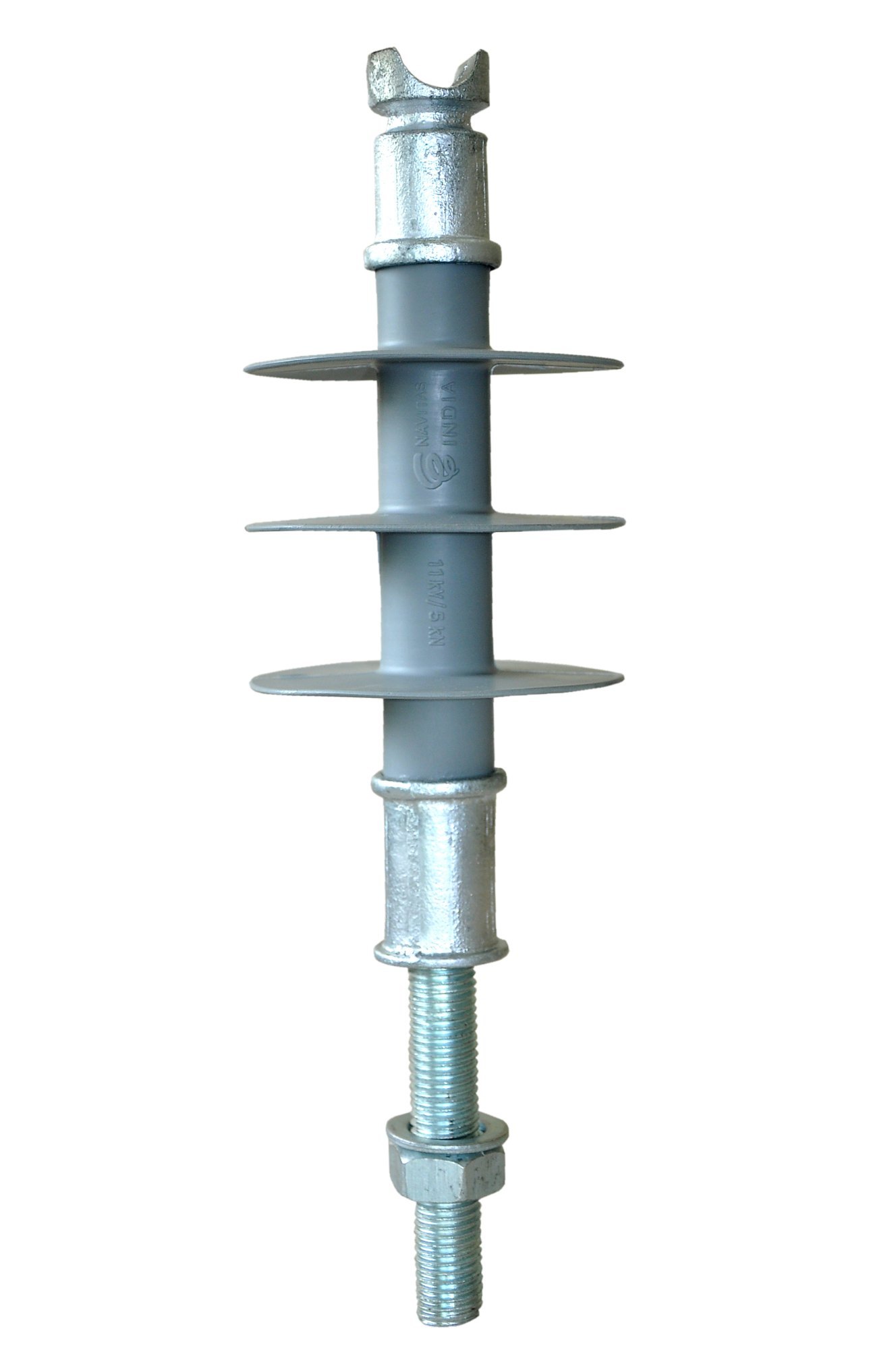
Polymer insulators, also known as composite insulators, are high-voltage insulators used in overhead power transmission and distribution systems. They are made using a fiberglass-reinforced resin rod covered with polymer materials like silicone rubber, EPDM, or ethylene vinyl acetate.
These insulators are designed to replace traditional porcelain or glass insulators, offering advantages in weight, vandal resistance, and pollution performance.
featueres
1. Lightweight: 80–90% lighter than porcelain or glass insulators.
2. High Mechanical Strength: Excellent tensile and bending strength due to FRP (fiber-reinforced plastic) core.
3. Hydrophobic Surface: Silicone rubber surface repels water, preventing flashovers.
4. Pollution Resistance: Better performance in contaminated environments (salt, industrial areas).
5. Anti-Vandalism: Polymer materials are less prone to breakage and theft.
6. Low Maintenance: Less cleaning and inspection required due to self-cleaning surface.
7. High Dielectric Strength: Excellent electrical insulation properties.
8. UV and Weather Resistant: Can withstand harsh environmental conditions for 25+ years.
usage
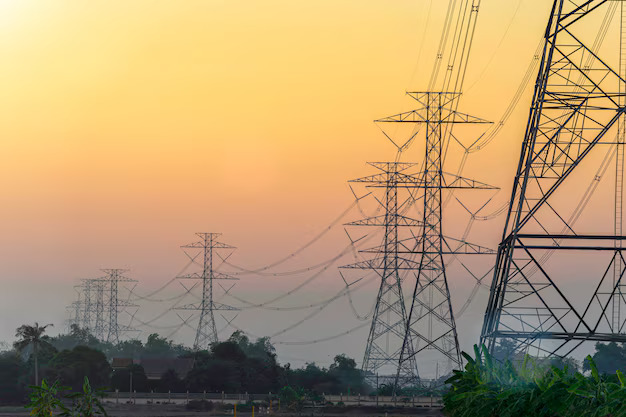
1. Transmission Lines: From 11 kV to 765 kV systems.
2. Distribution Networks: Especially in urban and coastal regions.
3. Railway Electrification: For overhead electrification systems.
4. Substations: For bus bars, switches, and support insulators.
5. Switchgear Equipment: As post and bushing insulators.
size and range
standardization
1. IEC 61109: For composite line post insulators
2. IEC 61952: For post insulators for AC systems
3. IEC 62217: General requirements for polymer insulators
4. ANSI C29.13/C29.11: U.S. standards for polymer insulators
5. IS 14277 / IS 15658: Indian Standards for polymer insulators
aPPLICATION
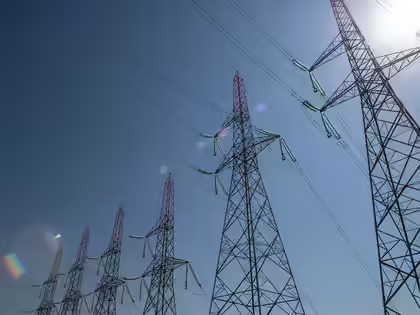
1. High Voltage Transmission Lines: Used where weight and strength are critical.
2. Urban and Industrial Areas: Where pollution or vandalism is a concern.
3. Coastal Regions: Excellent salt-fog performance.
4. Railways: Catenary systems and insulators for high-speed lines.
5. Compact Lines: Lightweight insulators allow for reduced tower size.
6. Wind and Solar Farms: For collector systems and grid connection.
INSTALLATION
➥Handling: Avoid sharp bends or pressure on sheds during handling.
➥Fittings: Proper torque and alignment for metal fittings are essential.
➥Cleaning: No need for regular washing; surface is self-cleaning.
➥Storage: Store in a cool, dry area away from direct sunlight and moisture.
➥Tools: Use standard tools; avoid damage to rubber sheath.
➥Pre-Inspection: Check for visible damage or defects before installation.