
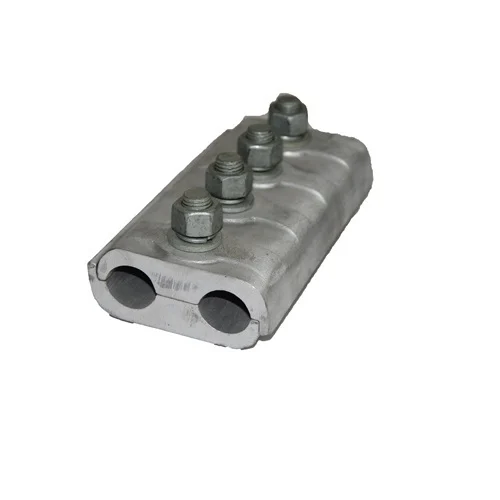
multi-bolt aluminum parallel groove clamp
About The Product
The Multi-Bolt Aluminum Parallel Groove Clamp (PG Clamp) is a type of electrical connector designed to join two or more parallel conductors, typically overhead aluminum or ACSR conductors, without cutting them. It ensures mechanical strength and stable electrical connection. This clamp is especially useful in tapping or branching conductors in medium- to high-voltage distribution networks.
featueres
1. Material Composition: Made from high-strength aluminum alloy (typically forged or extruded), offering excellent conductivity and corrosion resistance.
2. Multi-Bolt Design: Typically comes with two to four bolts to ensure uniform pressure along the groove, improving electrical contact and mechanical grip.
3. Corrosion Resistant: Surface treated (e.g., anodized or coated) to resist atmospheric corrosion, especially in coastal or industrial areas.
4. Ease of Use: Can be installed without special tools and without cutting the conductor.
5. Reliable Contact: Serrated grooves (on some types) improve conductivity and reduce the contact resistance.
6. Galvanic Compatibility: Designed for aluminum-to-aluminum or aluminum-to-steel connections.
usage
1. Tapping Overhead Conductors: For tapping power from a main conductor to a branch conductor in transmission and distribution lines.
2. Jumper Connections: Used in substations and pole-top assemblies for creating loop or jumper connections.
3. Bypassing Faulty Conductors: To temporarily or permanently bypass sections of damaged conductors.
4. Neutral & Grounding Applications: Common in grounding grid connections or interconnecting neutrals.

size and range
1. Conductor Range: Typically accommodates a range of conductor sizes (e.g., 16 mm² to 500 mm²).
2. Groove Sizes: Available in single or double groove configurations depending on the number of conductors to be joined.
3. Bolt Sizes: M8, M10, or M12 stainless steel or hot-dip galvanized bolts are commonly used.
Clamp Types:
I. Single Groove: For simple line tapping.
II. Double Groove: For multiple tapping or looping.
III. Compression Type: For higher reliability installations (less common in PG clamps).
standardization
1. IEC 61284 – Overhead Lines – Requirements and Tests for Fittings.
2. IEEE C119.4 – Electrical Connectors – Test Requirements for Aluminum-to-Aluminum and Aluminum-to-Copper Connections.
3. ASTM B117 – Salt Spray Test for Corrosion Resistance.
4. ISO 1461 – Galvanizing Standards for Bolts and Fasteners.
5. Design Conformance: Must meet thermal cycling, electrical resistance, and mechanical pull-out force tests.
aPPLICATION
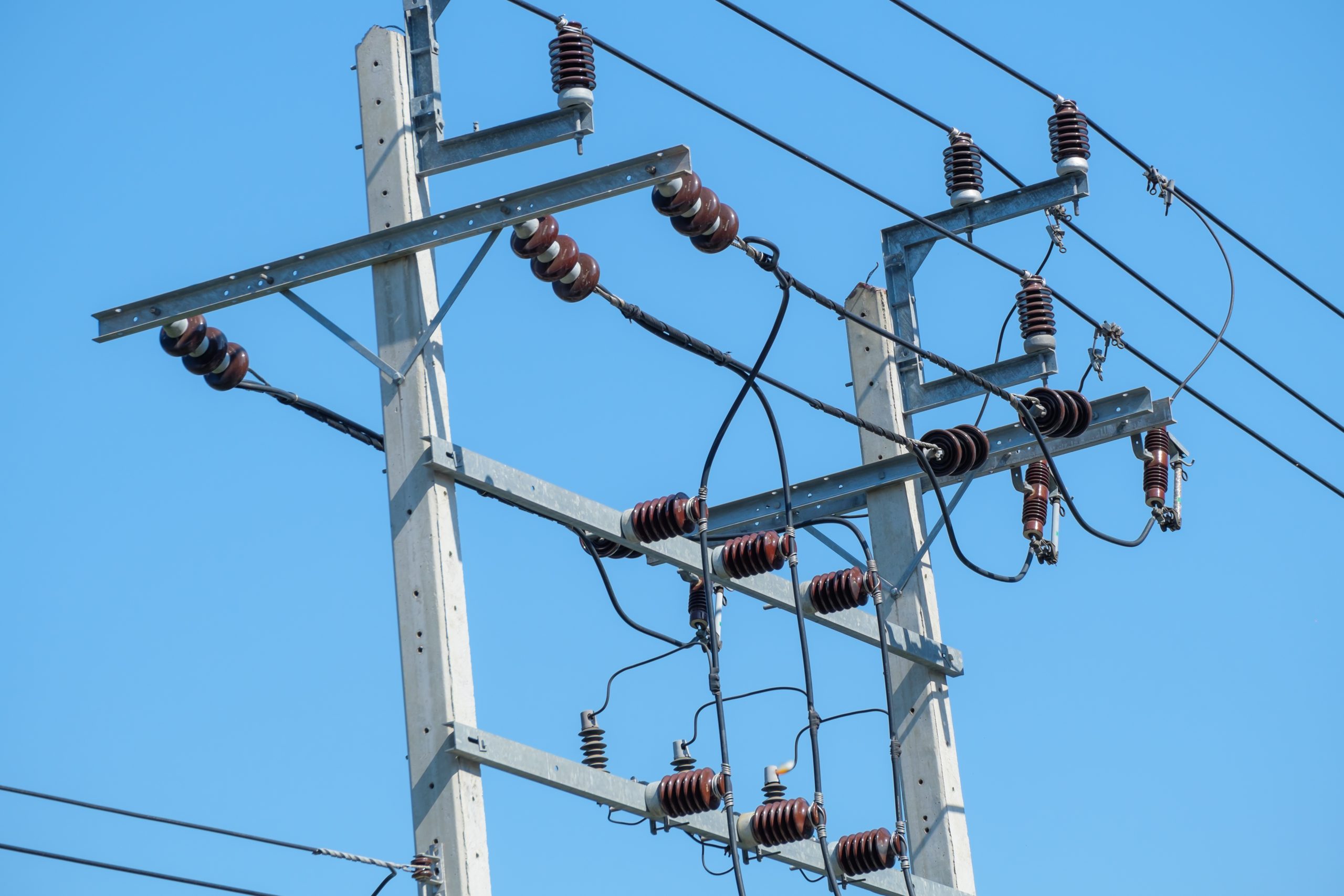
1. Power Transmission & Distribution Lines (11kV, 33kV, 66kV up to 132kV systems).
2. Substation Interconnections.
3. Rural Electrification Projects.
4. Industrial Power Networks.
5. Railway Electrification.
6. Renewable Energy (solar/wind) – For overhead tapping and grounding.
INSTALLATION
1. Preparation:
I. Clean the conductor with a wire brush to remove oxide layers.
II. Apply antioxidant compound (if specified).
2. Mounting:
I. Place conductors in grooves.
II. Insert bolts and tighten them in sequence to ensure uniform pressure.
III. Use a torque wrench if specified; typical tightening torque ranges between 20–50 Nm.
3. Inspection:
I. Verify full contact and absence of conductor damage.
II. Ensure bolts are tight and clamp is properly aligned.