
BUS BAR CLAMPS
About The Product
Parallel Groove Clamps (commonly abbreviated as PG Clamps) are electrical connectors used primarily to join two or more parallel conductors without cutting them. These are mechanical connectors that ensure a reliable and durable electrical and mechanical connection between conductors—commonly used in overhead transmission and distribution systems.
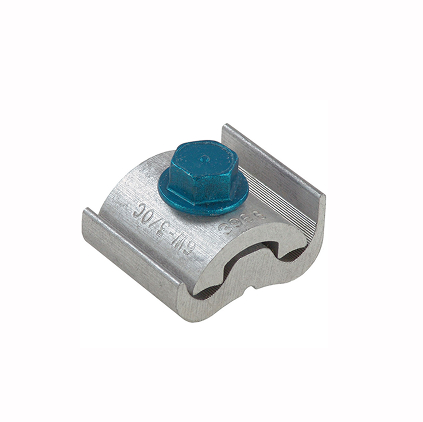
featueres
1. Corrosion Resistance: Made from corrosion-resistant materials like aluminum alloy or copper.
2. High Conductivity: Ensures minimum electrical resistance across the connection.
3. Mechanical Strength: Designed to withstand mechanical stress and vibrations.
4. Anti-slip Design: Serrated grooves help prevent conductor slippage.
5. Bolted Type: Typically bolted with galvanized or stainless steel hardware.
6. Ease of Installation: Simple tools required; no special training needed.
7. Optional Insulation: Some types come with insulating covers for live line installations.
usage
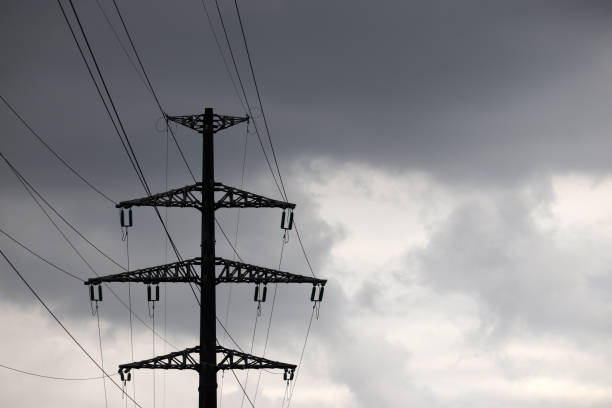
1. Used to connect two parallel conductors (usually in overhead lines).
2. For tapping from a main conductor to a service or branch line.
3. Temporary or permanent connections in distribution and transmission networks.
4. Suitable for both low and medium voltage applications.
size and range
1. Conductor Range: 6 mm² to 500 mm²
2. Types:
I. Single bolt PG clamp (for small conductors)
II. Double bolt PG clamp (medium load)
III. Triple/quad bolt PG clamps (for larger or high-load conductors)
3. Material Variants:
I. Aluminum–Aluminum (Al–Al) for connecting two aluminum conductors.
II. Aluminum–Copper (Al–Cu) for bimetallic applications.
III. Copper–Copper (Cu–Cu) for copper lines.
standardization
1. IEC 61284 – Overhead Lines – Requirements and Tests for Fittings
2. IS 5561 – Specification for Electrical Power Connectors
3. DIN 48201 / 48206
4. ASTM B117 – Salt spray testing (for corrosion resistance)
5. UL / ANSI standards (for North American markets)
aPPLICATION
1.Utility Power Distribution Lines
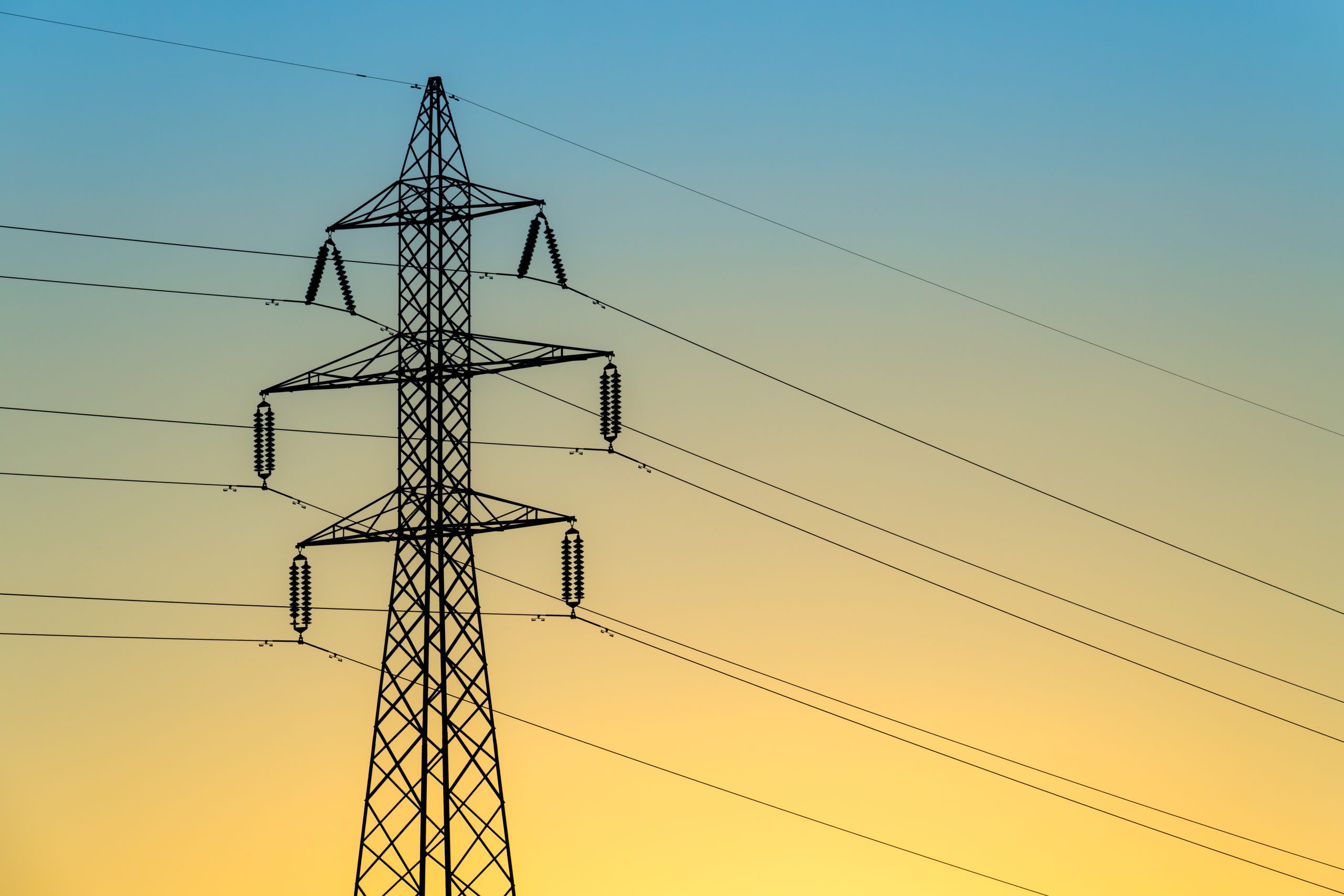
2.Transmission Lines
3.Street Lighting Connections
4.Substation Jumpers
5.Rural Electrification Projects
6.Temporary Service Connections
INSTALLATION
➥Clean the conductor surface to remove oxidation (especially for aluminum).
➥Position the conductors in the grooves.
➥Tighten the bolts evenly to the specified torque (to ensure uniform pressure and avoid damage).
➥If required, install an insulating cover or tape.