
LIGHTNING ARRESTERS
About The Product
A Lightning Arrester is an electrical device used to protect electrical power systems from damage caused by lightning strikes or switching surges. It works by diverting high-voltage surges to the ground, preventing them from passing through sensitive equipment.

featueres
1. High-speed operation: Responds instantly to voltage surges.
2. High insulation resistance: Normally offers a high impedance path.
3. Non-linear voltage-current characteristics (in metal oxide arresters).
4. Self-recovering: Returns to normal state after the surge.
5. Weatherproof: Designed for outdoor and high-voltage environments.
6. Thermal Stability: Withstands multiple surge events.
usage
Protects:
1. Power transmission & distribution systems
2. Transformers
3. Circuit breakers
4. Communication lines
5. Industrial and domestic equipment
How it works:
1. Under normal operation: acts as an insulator.
2. During a surge: becomes a conductor and safely diverts surge to ground.

size and range
standardization
1. IEC 60099-4 : Metal-oxide surge arresters without gaps
2. IEEE C62.11 : Surge arresters for AC power circuits
3. IS 3070 : Part 3 Indian Standard for metal oxide arresters
4. ANSI C62 : series North American surge protection standards
aPPLICATION
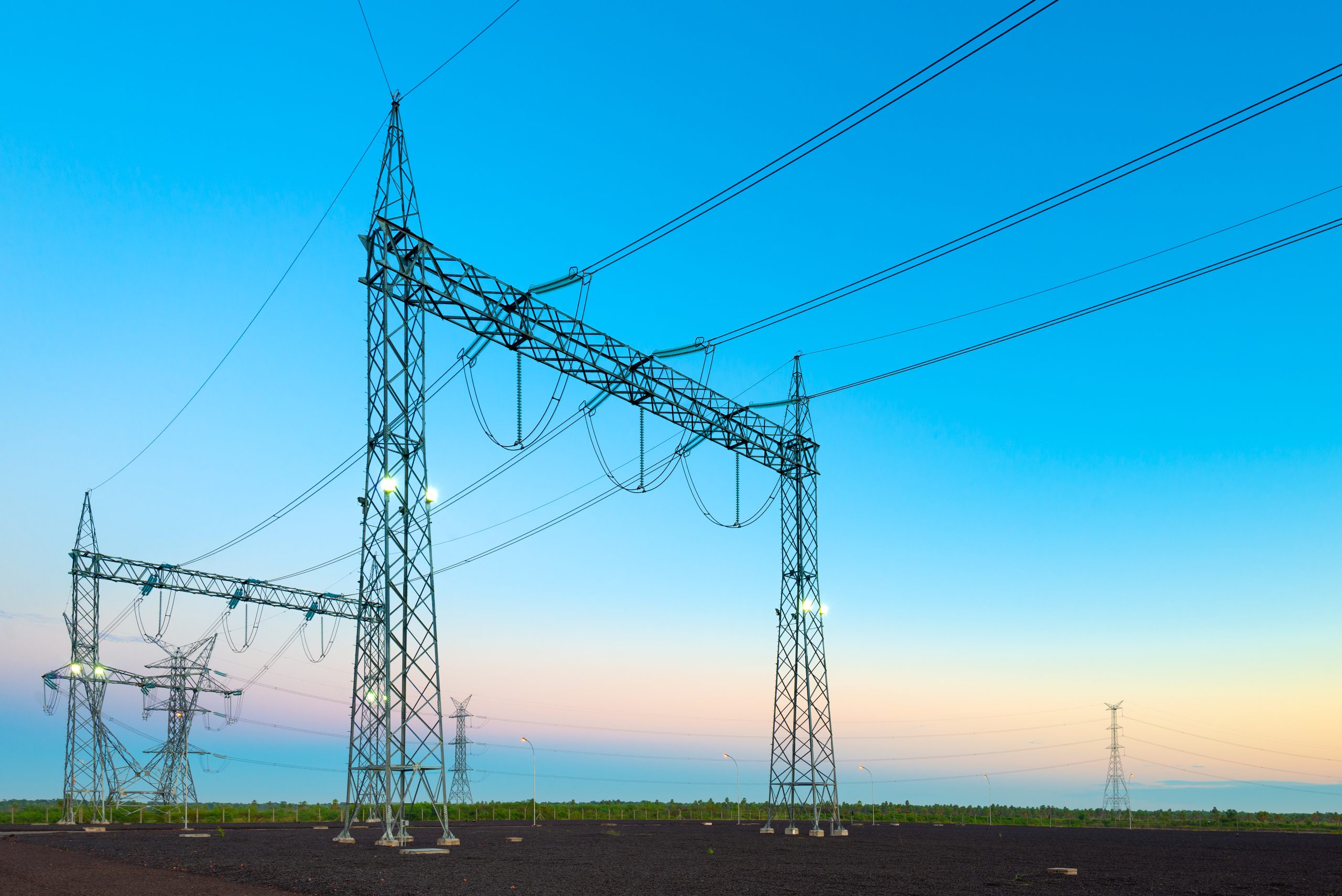
1. Power Utilities: Substations, transformers, overhead lines.
2. Renewable Energy Systems: Wind turbines, solar PV installations.
3. Telecommunications: Cell towers and communication lines.
4. Industrial Plants: Process control systems, motors.
5. Residential & Commercial: Building power entries and panels.
INSTALLATION
➥ Select proper arrester rating according to system voltage.
➥ Install as close as possible to equipment it is protecting.
➥ Ensure low-resistance grounding.
➥ Maintain minimum clearance distances from other objects.
➥ Mount vertically (mostly) for drainage and arc control.