
GUY STRAIN INSULATORS
About The Product
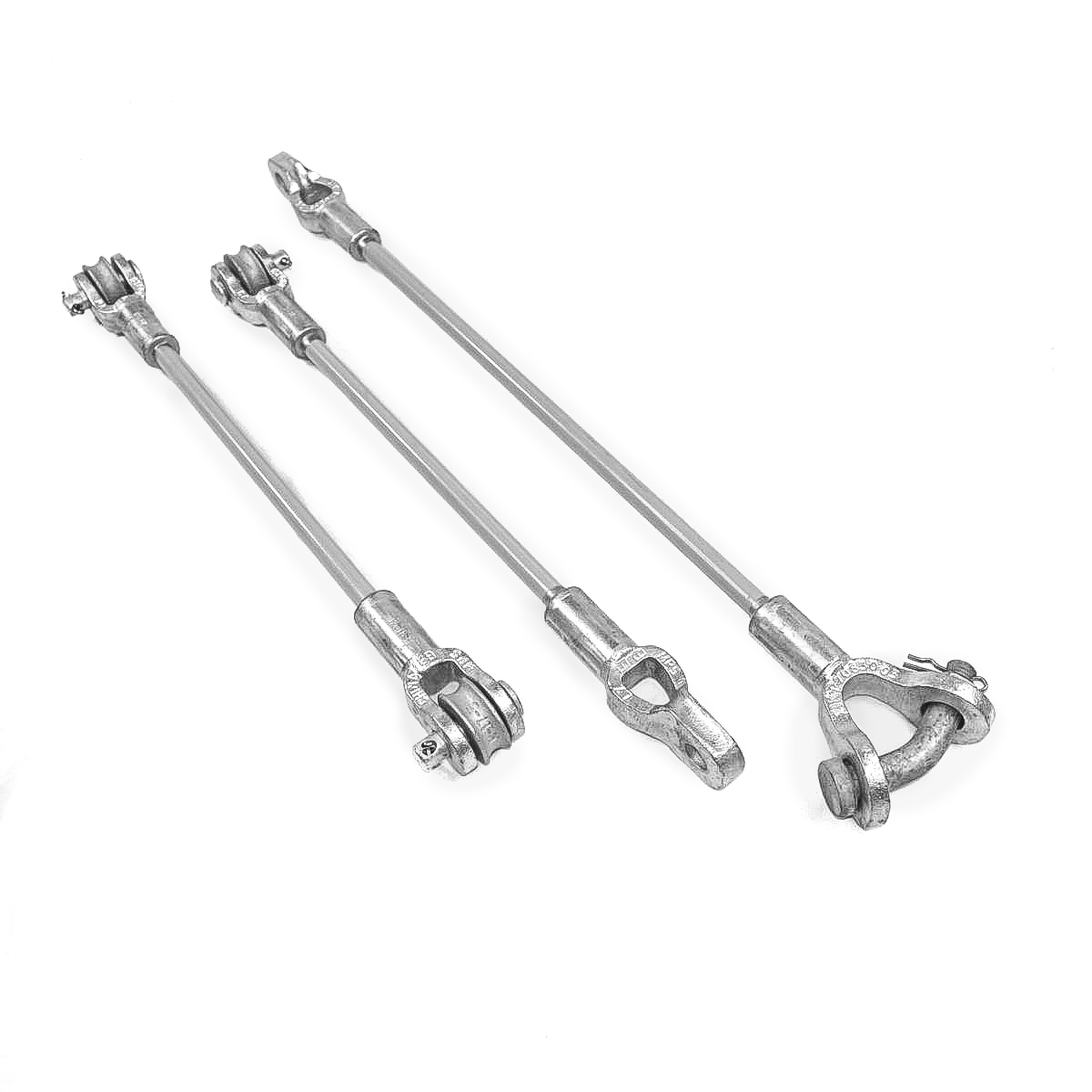
Guy strain insulators are specially designed electrical insulators used in overhead line construction to electrically isolate and mechanically support guy wires—the tension cables that stabilize utility poles and transmission towers. They serve a dual purpose: Insulation: Prevent the passage of electric current from energized equipment through guy wires to the ground or to other conductive structures. Mechanical Strength: Bear the mechanical load and tension exerted by guy wires. They are most commonly found in:
features
1. High mechanical strength: Designed to handle high tensile forces.
2. Electrical insulation: Prevents leakage currents, minimizing hazards.
3. Weather resistance: Withstands UV radiation, moisture, and temperature extremes.
4. Corrosion resistance: Especially those made with polymer or glazed ceramic.
5. Durability: Long service life with minimal maintenance.
6. Non-tracking surface: Reduces contamination and flashover risks.
usage
1. To electrically isolate the guy wire from the pole or ground, especially in areas where the pole may carry live conductors.
2. In HV and MV distribution lines, where accidental contact or leakage may occur.
3. In telecommunications and antenna towers to protect people and equipment from unintended currents.
size and range
standardization
1. ANSI C29.4 – Insulators for guy wires (USA)
2. IEC 60383 – Insulators for overhead lines with a nominal voltage above 1,000 V (International)
3. BS 137 – Strain insulators for overhead lines (British Standard)
4. IS 5300 – Indian Standard for strain insulators
aPPLICATION

1. Utility poles: In low and medium voltage distribution lines.
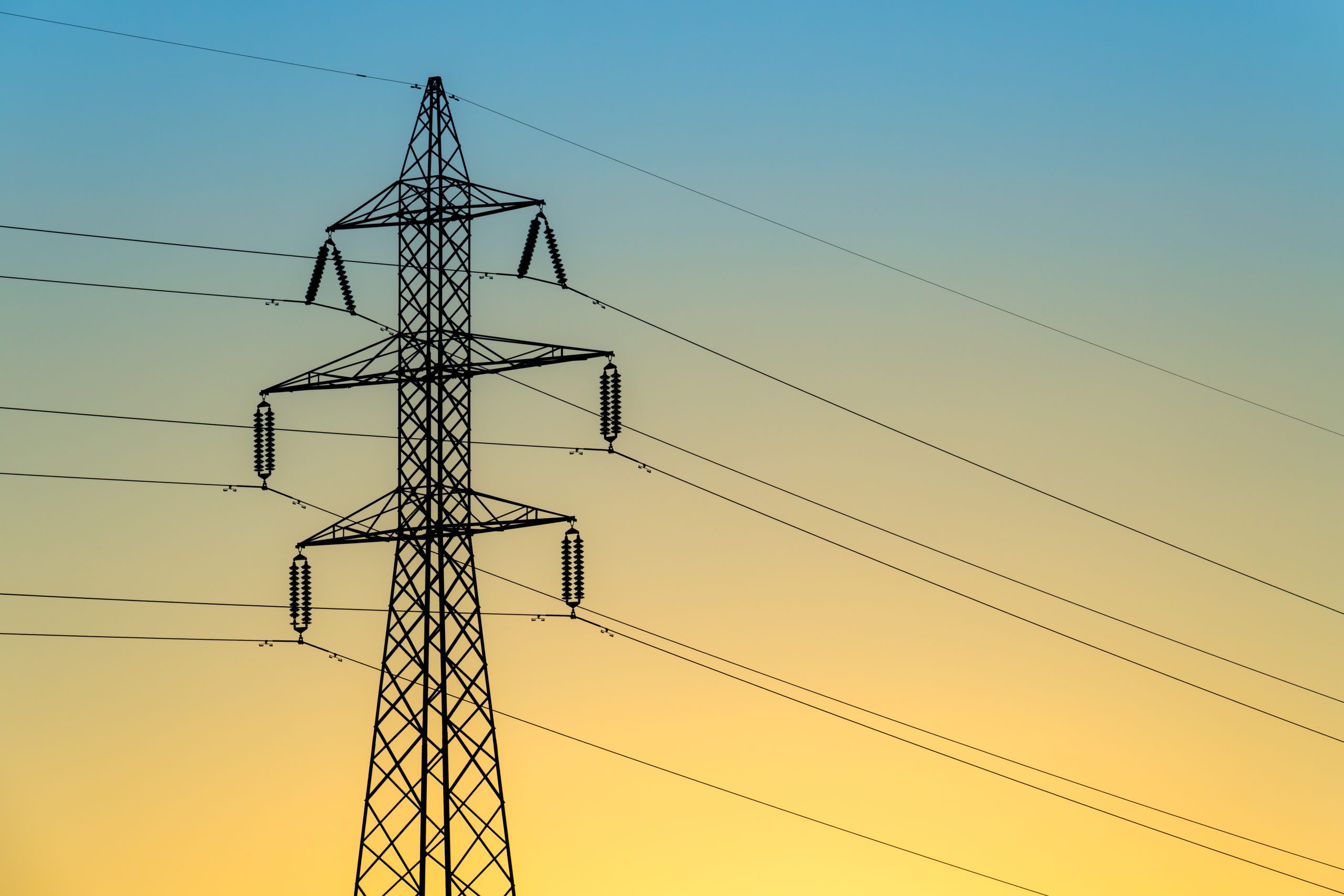
2. Transmission towers: Where guy wires support towers carrying live conductors.
3. Substations: Insulating structures or fences.
4. Railway electrification systems.
5. Telecommunication towers.
INSTALLATION
1. Determine location: Install at least 8 feet above ground level on the guy wire.
2. Cut guy wire: Insert insulator into the guy wire line.
3. Secure with dead-end clamps: Attach guy wire to each side of the insulator.
4. Tension wire: Apply proper tension without stressing the insulator.
5. Check clearances: Ensure electrical clearances and mechanical alignment.
6. Test: Verify insulation with appropriate tools.