
GROUNDING CONDUCTORS
About The Product
Grounding conductors, also called earthing conductors, are wires that connect the electrical system or equipment to the ground (earth). They form part of the grounding system, which ensures excess electrical current (e.g., from a fault or lightning strike) flows safely into the earth, preventing electric shock, fire, or damage to equipment.
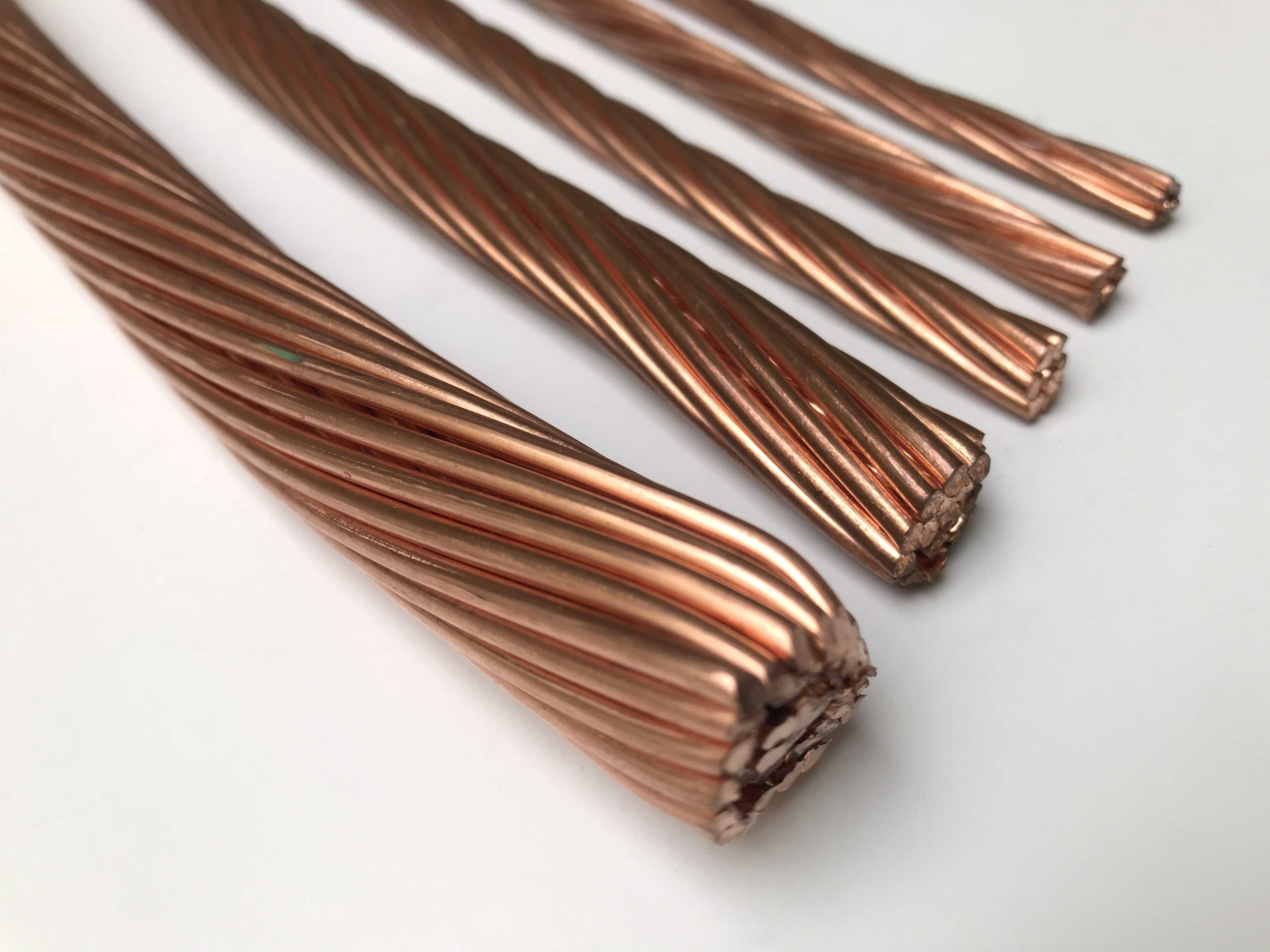
featueres
1. High Conductivity: Typically made of copper or aluminum.
2. Corrosion Resistance: Especially for outdoor or underground use.
.
3. Mechanical Strength: Withstands stress from environmental or fault conditions.
.
4. Low Impedance Path to Ground: Ensures rapid dissipation of fault currents.
.
5. Color Code: Usually green or green with yellow stripes (depending on national standards).
usage
1. Protects people from electric shocks.
2. Ensures proper operation of protective devices (like circuit breakers).
3. Prevents buildup of static electricity.
4. Protects equipment from voltage surges and lightning.
5. Equalizes potential differences between metal parts.
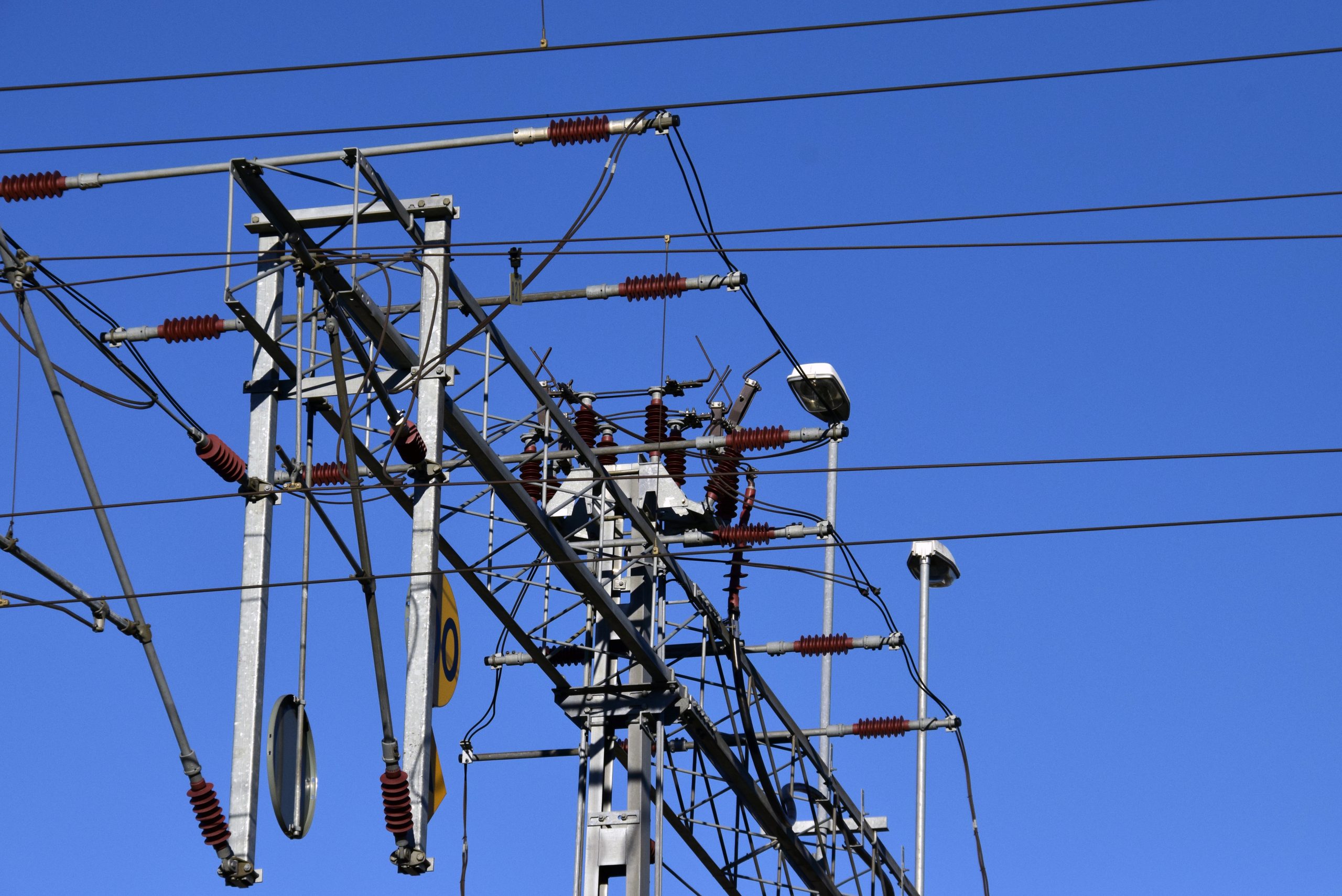
size and range
standardization
1. NEC (National Electrical Code – USA): Article 250
2. IEC 60364: Electrical installations of buildings
3. IEEE 80: Safety in AC Substation Grounding
4. UL 467: Grounding and Bonding Equipment
5. BS 7671: UK Wiring Regulations
6. IS 3043: Indian Standard for Earthing
aPPLICATION
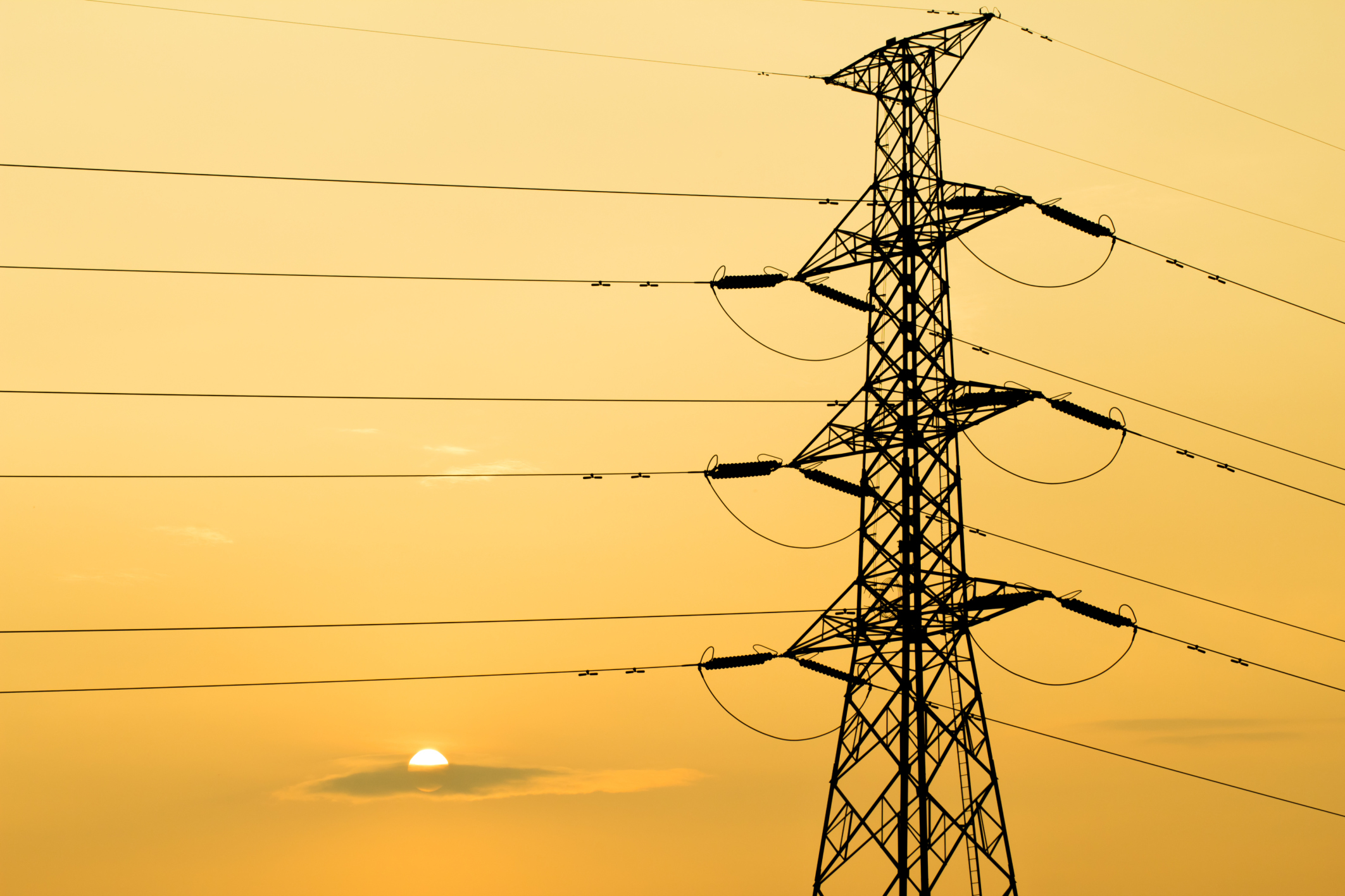
1. Residential Buildings: To ground electrical panels, appliances.
2. Industrial Plants: For large motors, transformers, control panels.
3. Data Centers: To prevent data loss from surges.
4. Telecom & Broadcasting: Sensitive equipment protection.
5. Power Transmission & Distribution: Substations, overhead lines.
6. Lightning Protection Systems: Integrates with grounding to discharge energy.
INSTALLATION
1. Determine size: Based on NEC or local code.
2. Connect conductor:
I. To grounding electrode (e.g., ground rod, plate, mesh).
II. To the system ground terminal or bonding bus.
3. Route:
I. Shortest, straightest path possible.
II. Avoid sharp bends to reduce inductance.
3. Bonding:
I. Bond with metallic enclosures, water pipes, rebar, etc.
4. Testing:
I.Check continuity and resistance to ground (e.g., less than 5 ohms for most applications).