
GALVANIZED INSULATOR PIN
About The Product
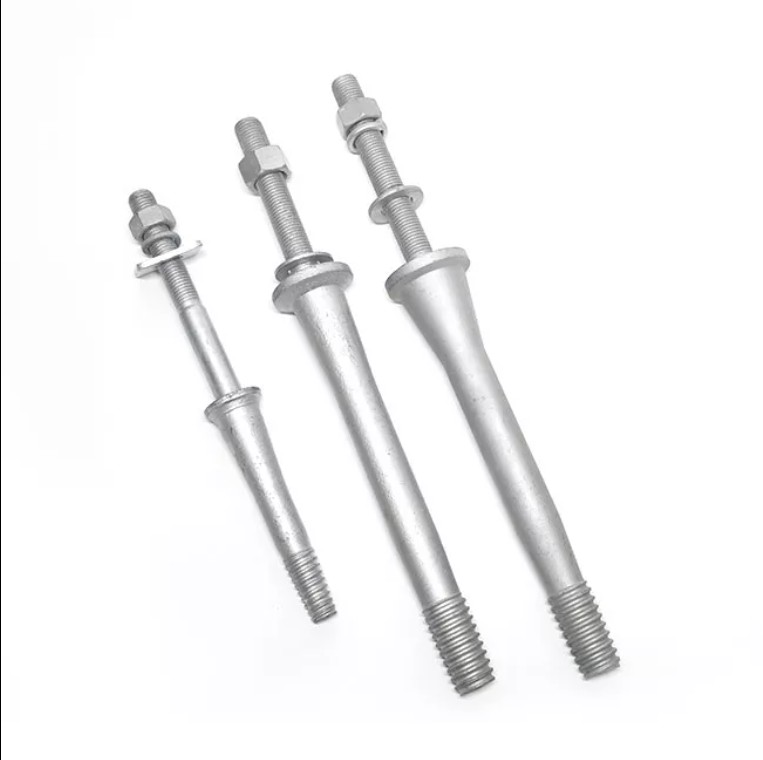
A Galvanized Insulator Pin is a key component in overhead transmission and distribution systems. It is used to secure pin-type insulators to wooden, steel, or concrete crossarms and poles. Made from forged or rolled mild steel and hot-dip galvanized for corrosion resistance, the pin ensures mechanical stability and electrical insulation in medium to high-voltage lines.
featueres
1. High Mechanical Strength: Made from high-grade forged or rolled steel for excellent load-bearing capacity.
2. Corrosion Resistance: Hot-dip galvanized to meet ASTM A153 or equivalent standards.
3. Compatibility: Designed to suit a variety of insulator neck types (narrow, standard, or wide).
4. Threaded Top: Standard or lead threads for secure insulator attachment.
5. Base Variants: Square, round, or guy pin bases for various mounting requirements.
6. Durability: Long service life even in harsh weather or polluted environments.
usage
1. Used to mount pin-type porcelain or polymer insulators on utility poles.
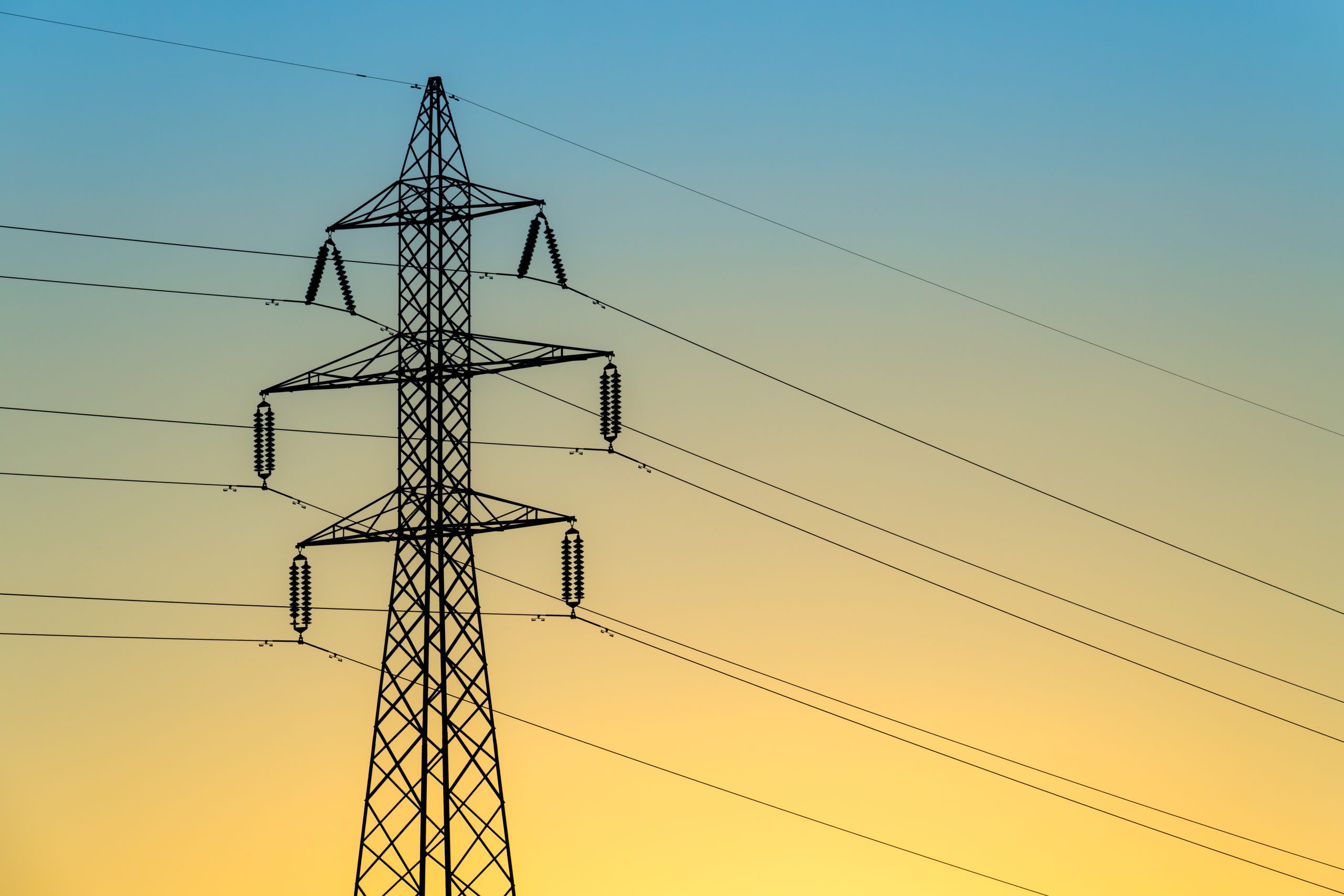
2. Overhead distribution lines (typically up to 33 kV).
3. Sub-transmission lines.
4. Rural electrification projects.
5. Power distribution in industrial plants.
size and range
standardization
1. ANSI C135.1 / C135.2 – Standard for galvanized steel pins
2. IEC 60383 – Insulator pin specifications
3. ASTM A153 – Zinc coating (hot-dip galvanizing) standard
4. IS 2486 (India) – Specification for insulator fittings for overhead lines
5. BS 3288 (UK) – Hardware for overhead lines
aPPLICATION

1. Power Distribution Networks: Used in 11 kV, 22 kV, and 33 kV overhead lines.
2. Railway Electrification: To hold insulators for catenary and feeder systems.
3. Rural Electrification: Economical and effective for extending grid connectivity.
4. Telecom and Signal Lines: Sometimes used for insulating support.
INSTALLATION
➥The pin is threaded or bolted into the crossarm or bracket.
➥The insulator is screwed onto the pin's top threads.
➥Use of locking washers or nuts is recommended to prevent loosening under vibration or mechanical stress.
➥For wooden poles, drive-type pins may be used.
➥Torque should be applied according to manufacturer recommendations to ensure secure installation.