
ELECTRICAL TRUNBUCKLE
About The Product
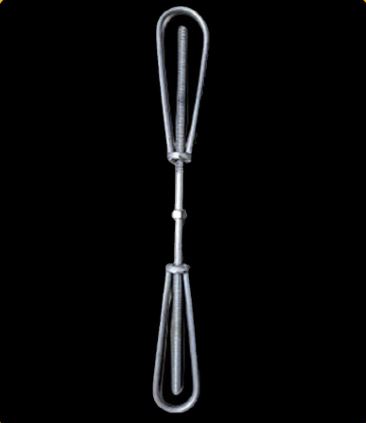
An Electrical Turnbuckle is a mechanical device used in electrical infrastructure to adjust the tension or length of ropes, cables, tie rods, and similar tensioning systems. It is especially critical in overhead transmission and distribution lines for maintaining the stability and alignment of the structure.
Turnbuckles are made of durable metal components such as galvanized steel or stainless steel, offering corrosion resistance and high tensile strength. In the electrical field, these are typically used for guying or tensioning wires attached to poles, towers, or anchors.
features
1. Adjustable Tensioning: Allows manual adjustment of cable/wire tension to ensure secure installation.
2. Corrosion Resistance: Galvanized or stainless steel construction for durability in outdoor or coastal environments.
3. High Load Capacity: Capable of handling high mechanical loads required in electrical infrastructure.
4. Threaded Ends: Eye, hook, or jaw end fittings to connect to cables, rods, or eye bolts.
5. Simple Mechanism: Easy to install and operate with standard tools.
6. Compact Design: Minimal size for high utility in confined or vertical spaces.
usage
1. Tensioning stay wires (guy wires) in power transmission poles and communication towers.
2. Supporting antenna masts, electrical poles, or light towers.
3. Aligning conductors and cables during installation or maintenance.
4. Used in earthing systems to maintain conductor positioning.
5.Structural bracing in electrical substation equipment.

Size and range
Turnbuckles come in a wide range of sizes, determined by:
1. Thread Diameter: This is a primary indicator of the turnbuckle's capacity. Common thread diameters can range from a few millimeters (e.g., M6, M8) to several centimeters (e.g., M50, M100).
2. Body Length: The length of the turnbuckle body, which dictates the amount of adjustability.
3. Take-Up (Travel): The maximum distance the turnbuckle can extend or contract.
4. Working Load Limit (WLL): The maximum load a turnbuckle is designed to safely support when new and in good condition. This is a critical specification.
Range:
The available range covers light-duty applications (e.g., garden trellises) to heavy-duty industrial and structural applications (e.g., bridge construction, ship rigging).
Standarization
Materials Used:
1. Hot-dip galvanized steel
2. Stainless steel (SS304, SS316)
3. Carbon steel (with zinc coating)
Standard Compliance:
1. ASTM F1145 – Standard for turnbuckles
2. BS 4429 – Specification for rigging screws and turnbuckles
3. ISO 898-1 – Mechanical properties of fasteners
4. IEC standards for electrical installation hardware (for specific regions)
application
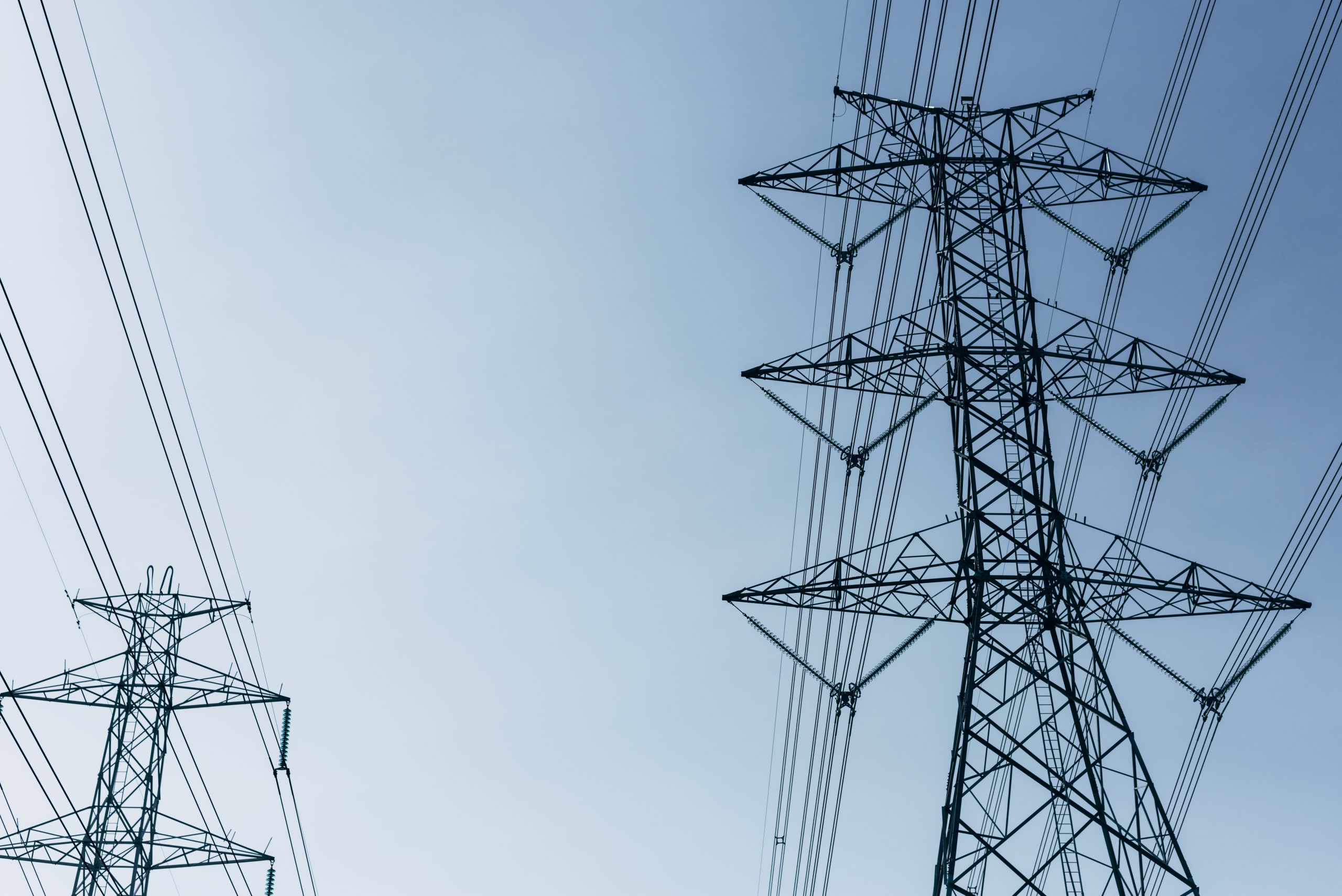
1. Transmission & Distribution Lines
2. Telecom Towers
3. Railway Electrification
4. Street Lighting Poles
5. Solar PV Module Mounting Structures
6. Wind Turbine Grounding Systems
installation
1. Select appropriate size and type based on load requirement.
2. Connect to guy wire and anchor using matching eye/jaw/hook.
3. Rotate the turnbuckle body to tighten or loosen the tension.
4. Lock nuts or cotter pins are used to prevent rotation post-adjustment.
5. Periodic inspections recommended in corrosive or high-vibration environments.