
ELECTRICAL DISTRIBUTION
About The Product
Electrical distribution refers to the system or infrastructure that transports electricity from the transmission system to the end-users. It includes all devices and components necessary to deliver electric power to homes, commercial buildings, industrial facilities, and infrastructure. An efficient electrical distribution system ensures the safe and reliable supply of electricity to various load points.
featueres
1. Voltage Step-Down Capability: Converts high transmission voltages to usable lower voltages.
2. Load Balancing: Distributes electrical load evenly to avoid overload.
3. Safety Components: Includes breakers, fuses, and protection relays.
4. Scalability: Systems can be expanded as demand grows.
5. Monitoring & Control: Advanced systems integrate sensors, IoT, and remote control.
6. Energy Efficiency: Minimizes losses through optimized wiring and component placement.
7. Compact & Modular Designs: Space-saving options available for commercial and residential uses.
usage
1. Power Distribution Boards (DBs) in residential and commercial buildings.
2. Panelboards and Switchboards in industrial applications.
3. Ring Main Units (RMUs) for medium-voltage applications.
4. Busbar Trunking Systems for large-scale power distribution in facilities.
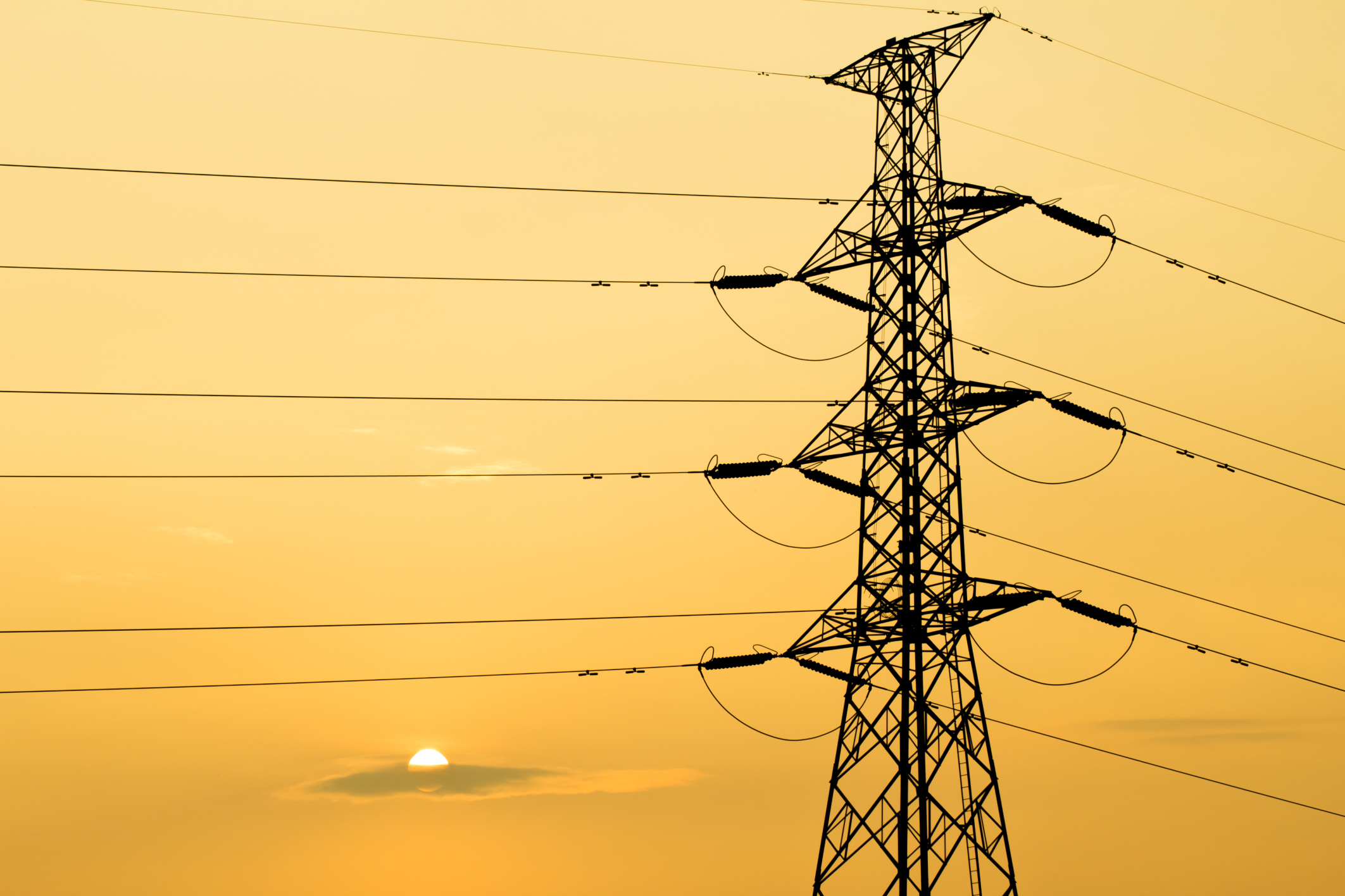
5. Substations that step-down high voltages for local distribution.
size and range
1. Low Voltage (LV) Systems: 230V to 400V
2. Medium Voltage (MV) Systems: 1kV to 33kV
3. High Voltage (HV) Systems: 33kV and above
4. Enclosures & Cabinets: Sizes range from compact wall-mounted DBs to large floor-standing panels
5. Current Ratings: From 6A miniature breakers to 4000A and above for industrial switchgear
standardization
1. IEC Standards (International Electrotechnical Commission)
2. IEEE Standards
3. NEC (National Electrical Code - USA)
4. BS (British Standards)
5. IS (Indian Standards)
6. CE & UL Certifications for safety and quality
7. IP Ratings (Ingress Protection) for environmental protection
aPPLICATION
1. Residential: Main distribution boards, sub-distribution panels, circuit protection.
2. Commercial: Office buildings, malls, data centers, hotels – requiring structured distribution with monitoring.
3. Industrial: Heavy machinery, production lines, process plants – requiring high current capacity and safety.
4. Infrastructure: Airports, hospitals, railways – demanding uninterrupted, reliable power.
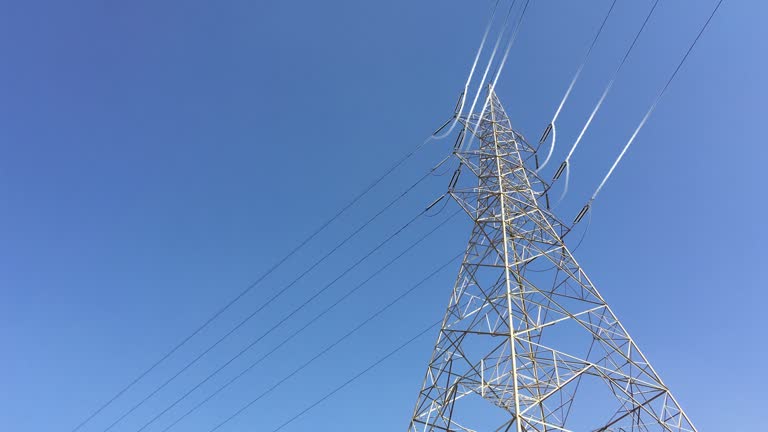
5. Renewable Integration: Distribution from solar PV, wind turbines into the grid.
INSTALLATION
1. Site Survey & Design: Assess load demand and layout before installation.
2. Component Selection: Choose breakers, panels, conductors, etc. based on calculated loads.
3. Cable Routing & Trunking: Use conduits, trays, or trunking systems.
4. Mounting & Wiring: Install distribution boards, busbars, and protective devices.
5. Testing & Commissioning: Insulation, continuity, and load tests before energizing.
6. Compliance Checks: Must meet safety and electrical codes.