
EARTH RODS & CLAMPS
About The Product
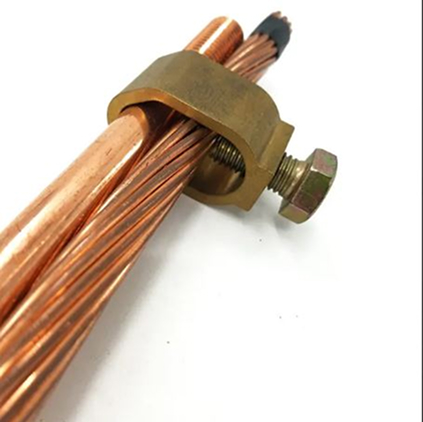
Earth rods (also called grounding rods or earthing electrodes) and clamps are critical components in electrical grounding systems. They ensure safety by providing a low-resistance path for fault current to dissipate into the earth, minimizing the risk of electric shock, equipment damage, and fire. Earth rods are installed into the ground, while clamps connect the rod to the earthing conductor.
featueres
Earth Rods:
1. Corrosion-Resistant Construction: Typically made from copper-bonded steel, solid copper, or stainless steel.
2. High Conductivity: Provides effective fault current dissipation.
3. Threaded Design: Allows multiple rods to be connected for greater depth.
4. Durability: Designed for long-term underground installation.
Clamps:
1. High Mechanical Strength: Withstand mechanical and electrical stresses.
2. Good Electrical Contact: Low contact resistance ensures effective current transfer.
3. Corrosion Resistance: Made from bronze, brass, gunmetal, or tinned copper.
4. Versatile Design: Compatible with a wide range of conductor sizes and rod diameters.
usage
1. Fault Protection: Safely dissipate fault or lightning currents to ground.
2. Equipotential Bonding: Prevent voltage differences between metal parts.
3. Lightning Protection Systems: Used with air terminals and down conductors.
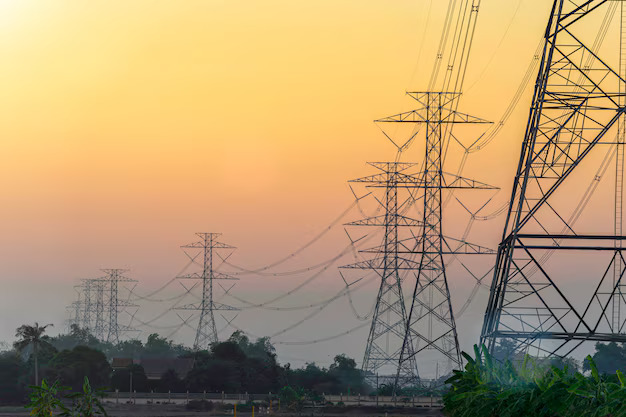
4 Substations and Transformers: Ensures effective grounding of high-voltage equipment.
5. Commercial & Residential Earthing Systems
size and range
Earth Rods:
Clamps:
standardization
1. IEC 62561 Series – Lightning Protection System Components (LPSC)
2. BS EN 50164 / BS EN 62561
3. IS 3043:2018 – Code of Practice for Earthing (India)
4. IEEE 80 – Grounding in substations
5. UL 467 – Grounding and Bonding Equipment
6. ASTM B843 / B843M – Materials for grounding electrodes
aPPLICATION

1. Power Transmission and Distribution
2. Electrical Substations
3. Telecommunications Towers
4. Industrial Plants and Refineries
5. Building Services (Residential, Commercial)
6. Lightning Protection Systems
7. Renewable Energy Systems (Solar/Wind Farms)
INSTALLATION
Earth Road Installation
1. Site Selection: Choose moist soil if possible, away from underground services.
2. Driving the Rod:
I. Use a driving head and hammer or hydraulic driver.
II.Drive vertically to the full depth or until refusal.
III. For greater depth, use threaded couplers to extend with additional rods.
3. Resistance Testing:
I. Use an earth tester (e.g., 3-point fall-of-potential method).
II. Aim for earth resistance below 1 ohm (as per IS/IEC 60364).
Clamp Installation:
1.Clean contact surfaces to remove oxidation or dirt.
2. Fit conductor into the clamp and secure using stainless steel bolts.
3. Tighten using appropriate torque to ensure firm electrical contact.
4. Protect joint with corrosion-resistant tape or conductive grease if required.