
DISC INSULATORS
About The Product
Disc insulators are a type of high-voltage insulator primarily used in overhead transmission and distribution lines. They are shaped like discs and are made from materials such as porcelain, glass, or composite polymers. These insulators are connected in series (called a string) to provide insulation and mechanical support for high-voltage conductors.
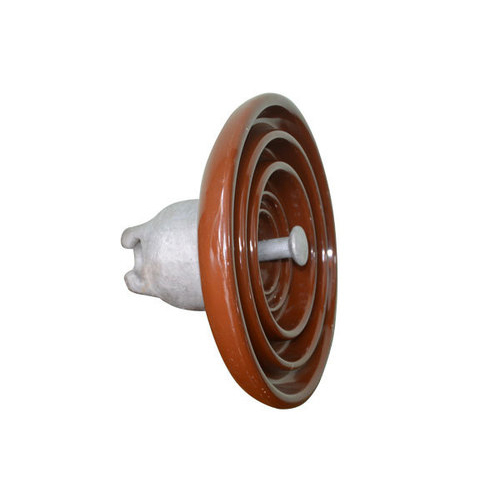
featueres
1. Modular Design: Individual discs can be added or replaced as needed.
2. High Mechanical Strength: Supports both tensile and compressive loads.
3. Good Electrical Insulation: Withstands high voltages (up to 765 kV and more).
4. Pollution Resistance: Available in anti-pollution designs (fog type).
5. Weather Resistance: Performs well in rain, snow, and harsh climates.
6. Long Life Span: 30–50 years of service with minimal maintenance
usage
1. Transmission Lines (33 kV to 765 kV and above)
2. Distribution Networks
3. Switchyards and Substations
4. Railway Electrification Systems
5. Supporting overhead conductors mechanically
6. Providing electrical insulation between conductors and towers
7. Preventing current leakage to the ground
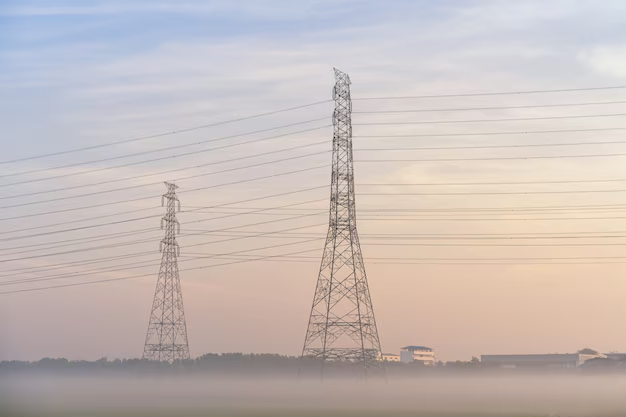
size and range
standardization
1. IEC 60383: Insulators for overhead lines with a nominal voltage >1000 V
2. IEC 61284: Overhead lines – requirements for fittings
3. IS 731: Indian standard for porcelain insulators
4. NSI C29.2: ANSI standard for suspension-type insulators
5.BS EN 60383: British Standard
aPPLICATION
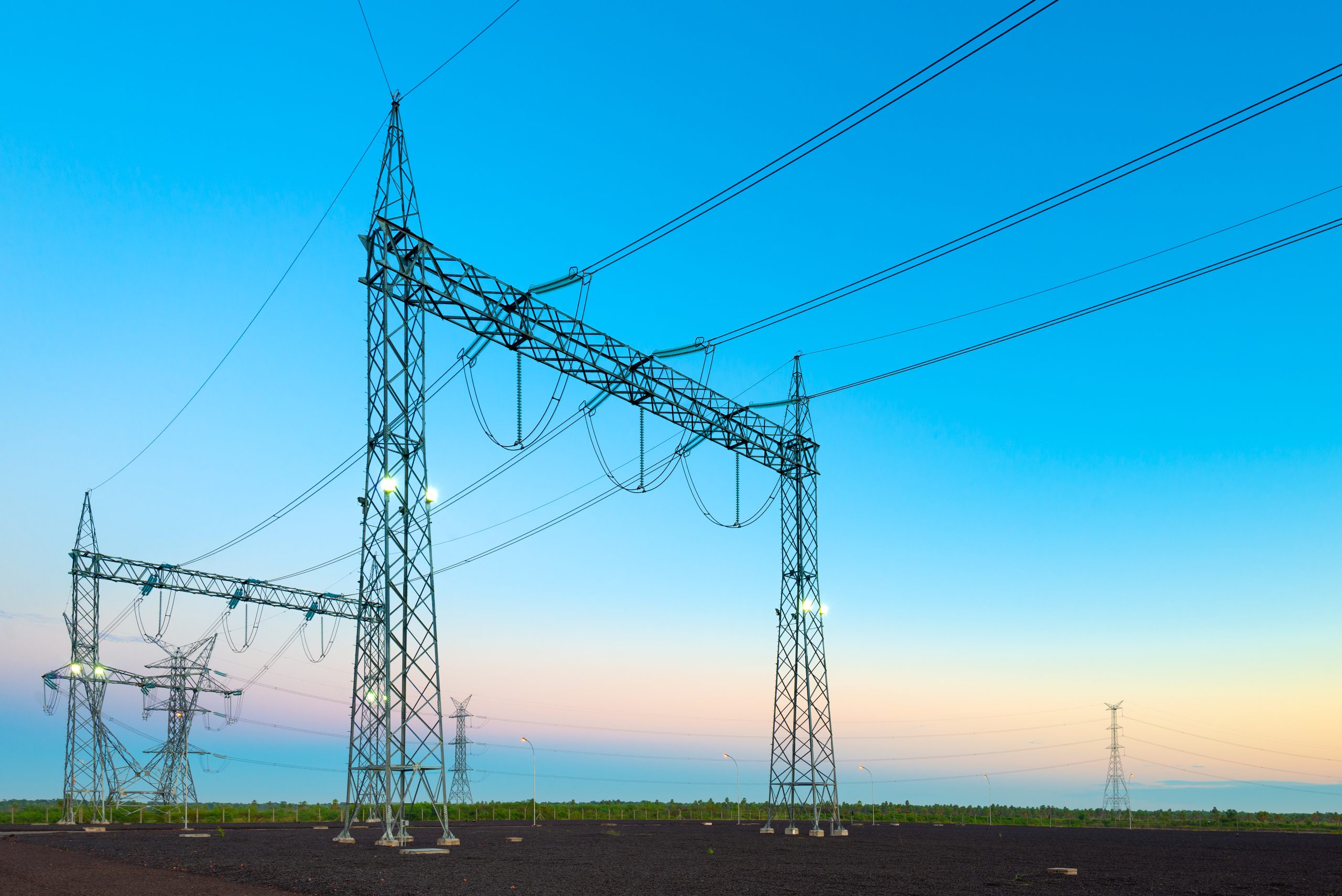
1. High-voltage Transmission Lines (132 kV to 765 kV)
2. Distribution Lines (33 kV and 66 kV)
3. Substation Busbars and Equipment
4. Railway Electrification (OHE systems)
5. Switchyards and HVDC Terminals
INSTALLATION
➥
Assembling insulator strings on the ground
➥
Lifting and attaching to towers using cranes or pulleys
➥
Using ball and socket or clevis and tongue fittings
➥
Ensuring correct orientation (with anti-fog types facing downward)
➥
Checking tightness and alignment for mechanical balance