cROSS aRM
About The Product
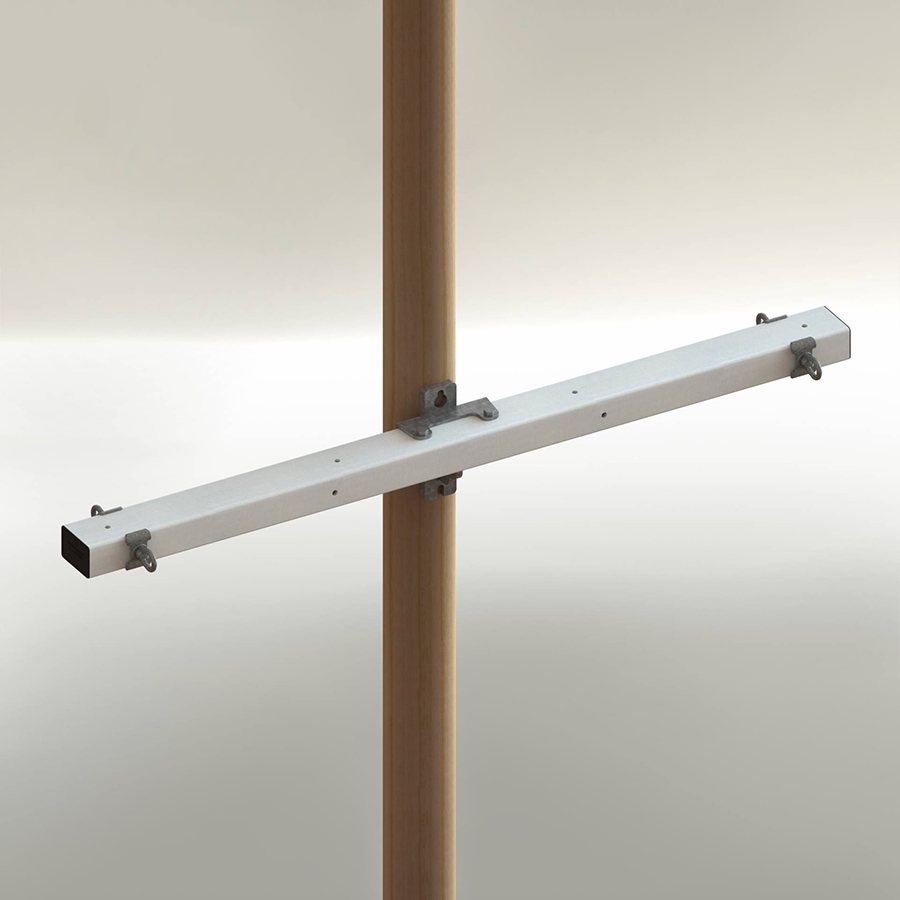
A cross arm is a structural component — typically made of metal (galvanized steel) or wood — installed horizontally across utility poles.
It is used to support and separate power conductors and related equipment at a safe distance from each other, ensuring proper phases spacing and structural stability.
Features
1.Durability: Galvanized for resistance to corrosion and atmospheric effects.
2.Strength: Steel structure designed to carry heavy-load conductors.
3.Weather resistance: Ability to perform under high stress, strong winds, heavy ice, or other climate conditions.
4.Versatility: Large number of hole patterns for different configurations.
Safety: Proper spacing prevents arcing and operational hazards.
Usage
1. Support for conductors:
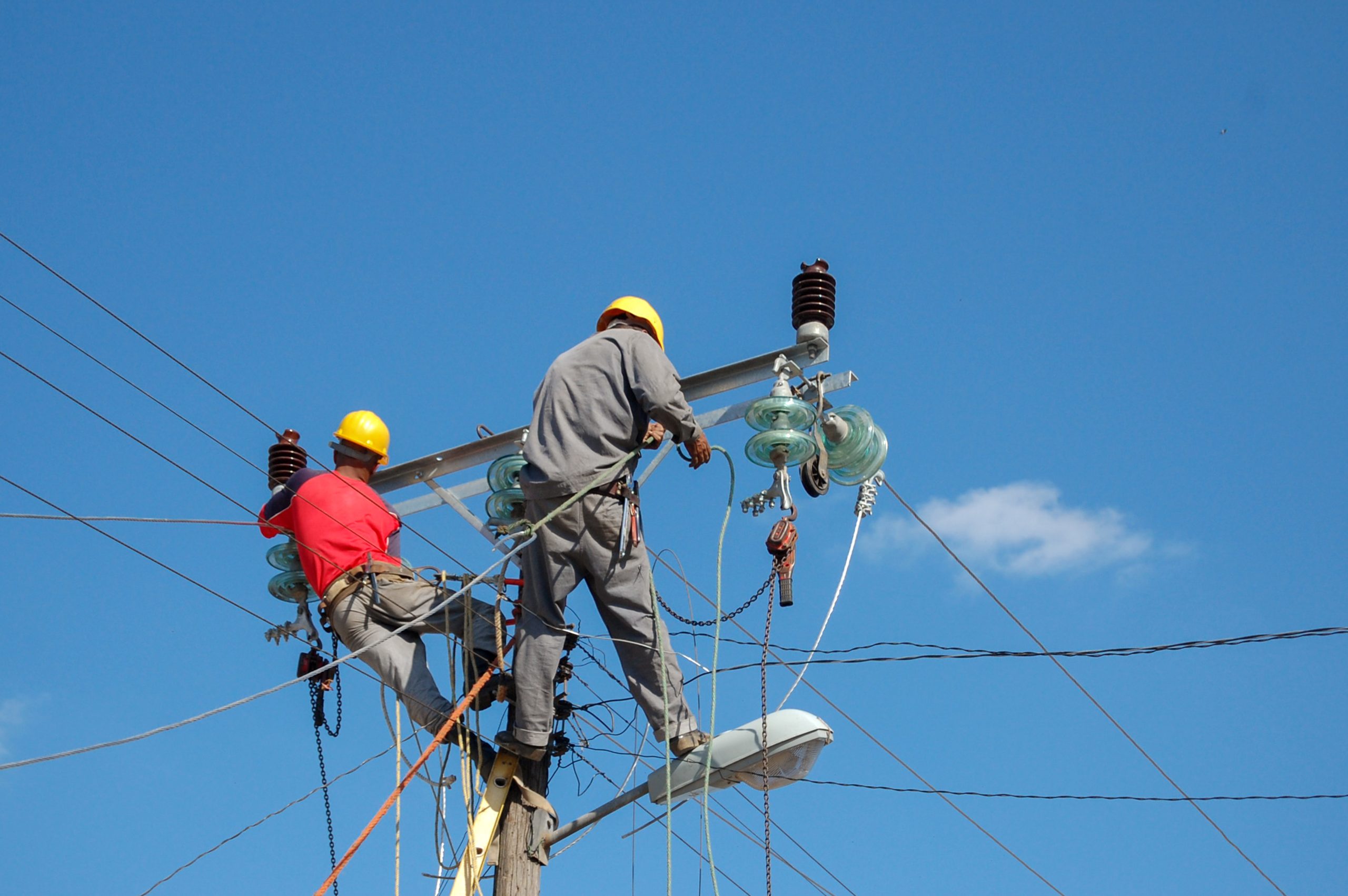
Provides physical support for power lines (high, medium, or low voltage) alongside the utility pole.
2. Maintaining clearances:
Maintains proper spacing between phases and between phases and ground to avoid flashover, short-circuit, or physical interference.
3. Installing equipment:
Offers a convenient platform to mount related hardware, including insulators, arresters, cutouts, and disconnect switches.
Size and range
Size
The dimensions of cross arms vary with application
1. Length: 0.75 m, 1.20 m, 1.83 m, 2.44 m
2. Width: 50 mm–100 mm
3. Thickness: 5 mm–10 mm
4.Distance Between Holes: Often 150 mm or 305 mm
range
The range to select a cross arm depends on
1. Number of circuits
2. Number of phases
3.Conductor size
4. Loading conditions (wind, ice, mechanical stress)
Standarization
1. IS 3042 (for cross arm dimensions and materials) — Bureau of Indian Standards (BIS) in India
2. IEC 60071 (insulating distance) — International Electrotechnical Commission (IEC) standard for clearances
3. ASTM A123 (zinc-coated or galvanization standard) — American Standard for zinc-coated materials
application
1. Distribution lines: 11kV, 33kV, or low voltage lines.
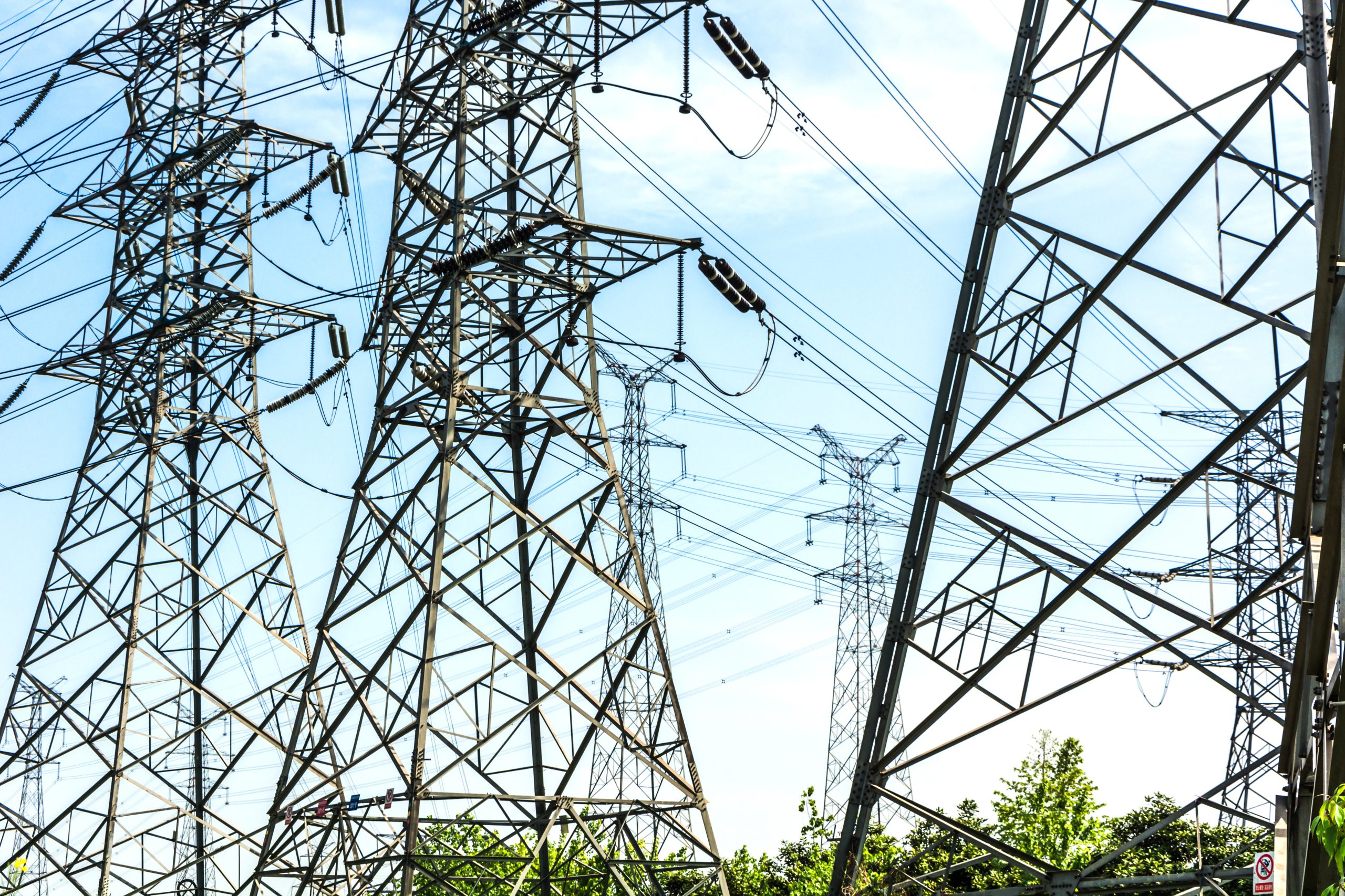
2. Transmission lines: Support for high voltage lines (132kV, 220kV, 500kV) with specialized cross arm structures.
3. Pole-mounted substations: Support for disconnects, arresters, and busbar formations.
4. Street lighting: Providing a platform to install lighting brackets alongside power lines.
installation
➥ Placement:
The cross arm is typically mounted near the top of the utility pole with heavy-duty bolts.
Sometimes, a secondary or additional cross arm is placed lower to carry secondary lines or service drops.
➥ Attachment:
Using brackets, bolts, and insulators to connect conductors to the cross arm while retaining proper spacing.
➥ Safety measures:
All components must be rated for their respective voltage.
Proper clearances must be maintained per standards to avoid arcing.
The metal must be grounded to aid in lightning protection.