
COLLAR EYE BOLT
About The Product
A Collar Eye Bolt is a type of fastener with a looped head and threaded shaft, designed to bear loads or to act as a lifting or securing point in mechanical and electrical systems. The "collar" part refers to the integrated shoulder or raised surface just below the eye, which provides additional load-bearing support, especially in angular or side-load applications.
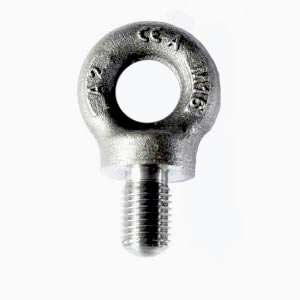
featueres
1 Material: Typically made from high-tensile steel, forged carbon steel, or stainless steel. Available in galvanized, zinc-plated, or plain finishes.
2. Design: Circular loop (eye) for tying, lifting, or attachment; shoulder (collar) helps distribute load.
3. Thread Type: Coarse or fine, metric or imperial.
4. Load Rated: Designed for axial (straight) loads, but collar allows for limited angular loading.
5. Corrosion Resistance: Available in finishes for indoor, outdoor, or marine environments.
usage
1. Anchor or attach lifting slings, ropes, or chains
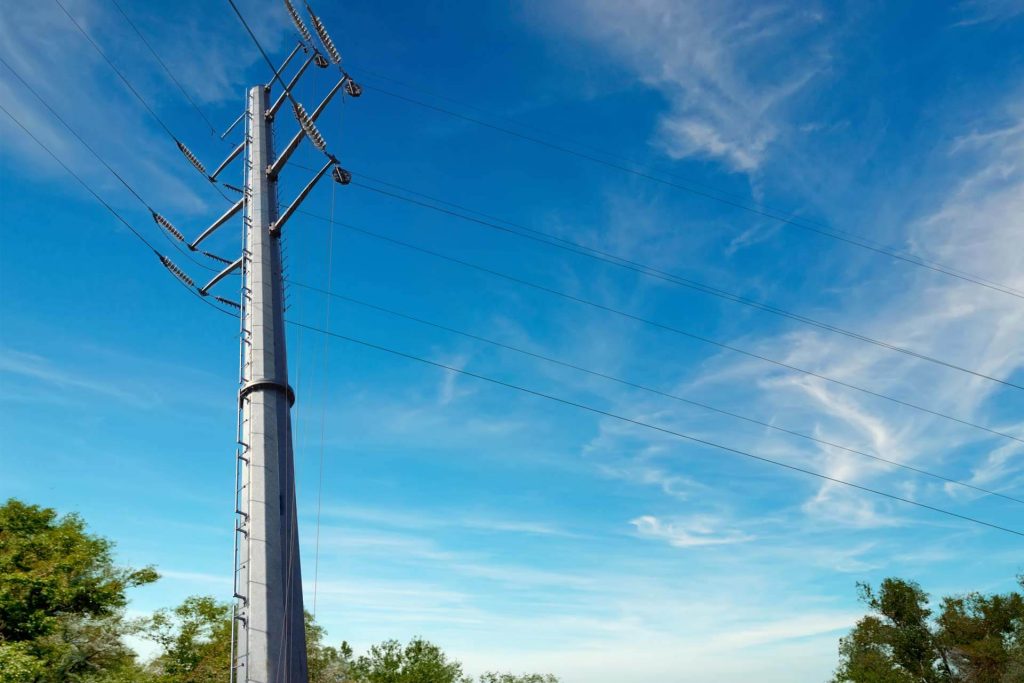
2. Serve as fixed points for guy wires or bracing in electrical utility poles
3. Attach insulators or tension fittings in overhead power distribution systems
4. Secure equipment or structures during transportation or installation
size and range
standardization
1. DIN 580 – Lifting Eye Bolts (Metric Thread)
2. ASME B18.15 – Forged Eyebolts
3. BS 4278 – Eyebolts for lifting purposes
4. ISO 3266 – Eye bolts for lifting applications
5. ASTM A489 – Carbon Steel Lifting Eye Bolts
aPPLICATION
Electrical and Utility Sector:
1. Suspension of electrical insulators on poles
2. Securing stay wires or guy wire arrangements
4. Anchoring cross-arm braces
5. Mounting transformer or switchgear components
Mechanical and Industrial:
1. Engine lifting hooks
2. Equipment anchorage during shipment
3. Securing rotating machinery for service
Construction and Rigging:
1. Temporary or permanent lifting points
2. Supporting formwork or scaffolding
INSTALLATION
1. Inspection: Ensure no cracks, deformation, or rust on the bolt.
2. Mounting Surface: Thread into solid metal or structural component; avoid soft or damaged materials.
3. Thread Engagement: Ensure full thread engagement for load-bearing. At least 1.5x bolt diameter.
4. Tightening: Use tools to tighten firmly, without over-torquing.
5. Best suited for vertical loads.
6. For angular loads, ensure collar is fully seated against surface and angle is within manufacturer’s limit (often ≤ 45°).
7. Lubrication: Apply anti-seize compound if frequently removed/reinstalled.