
BIMETALLIC CONNECTORS
About The Product
Bimetallic connectors are specially designed components used in electrical systems to connect two dissimilar metal conductors—typically aluminum and copper. These connectors prevent galvanic corrosion and ensure reliable electrical performance over time. They're vital where conductors of different metals need to be joined, especially in power distribution systems.
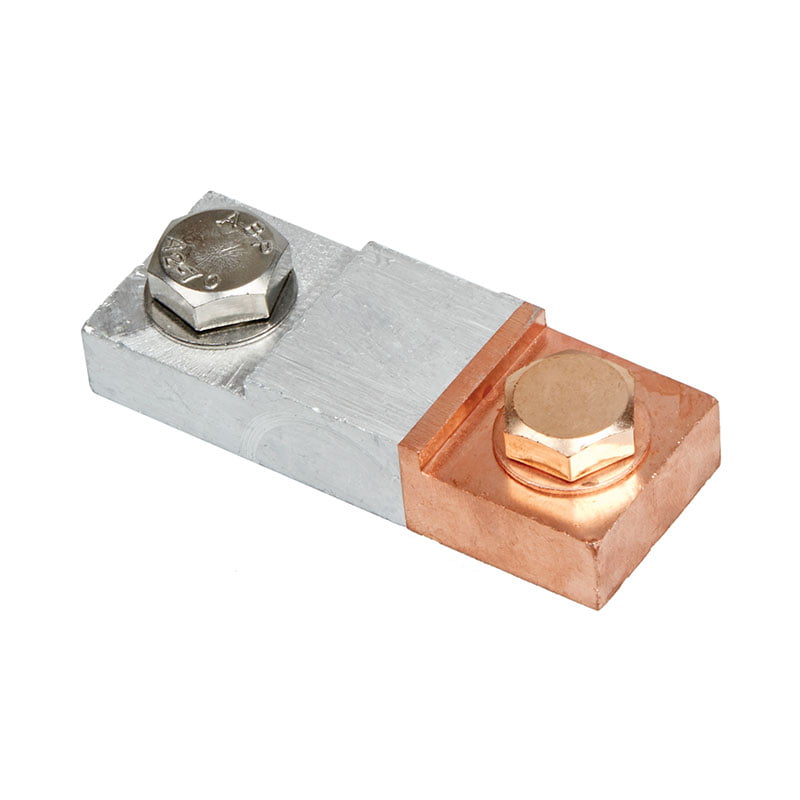
featueres
1. Corrosion Resistance: Prevents electrolytic corrosion between copper and aluminum.
2. Efficient Conductivity: Ensures minimal resistance and optimal current flow.
3. Strong Bonding: Friction welding or explosive welding is used to create a solid bond between copper and aluminum.
4. High Mechanical Strength: Suitable for harsh environments and mechanical loads.
5. Thermal Stability: Withstands temperature variations without deforming or losing conductivity.
usage
1. Used to safely connect aluminum cables to copper busbars or terminals in switchgear, panels, and transformers.
2. Prevents overheating, voltage drops, and contact failures that can occur due to the mismatch of metals.
3. Ensures long-term reliability in power and control systems.
4. Suitable for industrial, commercial, and residential power systems.
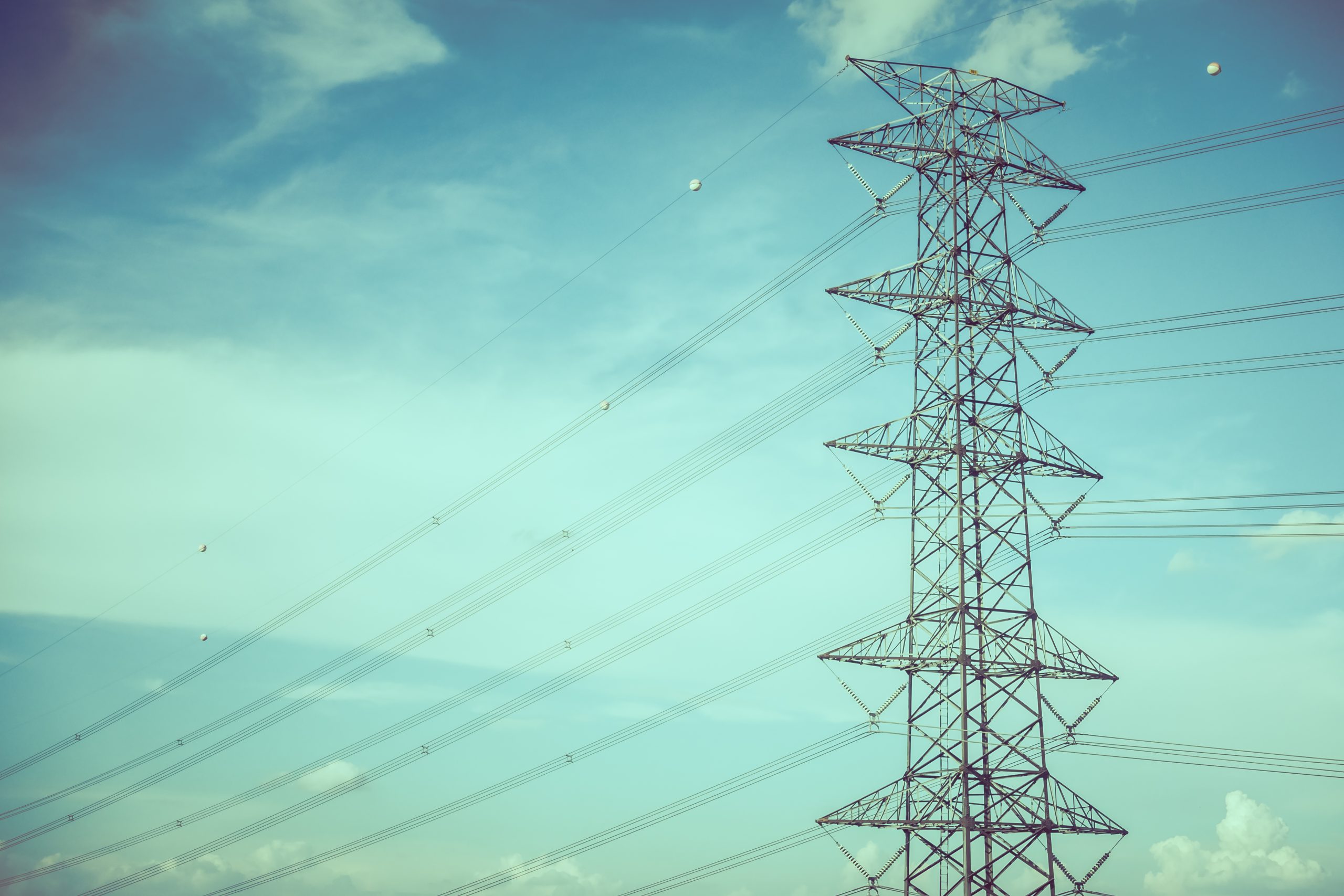
size and range
Bimetallic connectors are available in various sizes to accommodate different conductor sizes. Typical range:
1. Conductor Sizes: 10 mm² to 630 mm² or more
2. Lug Hole Sizes: 8 mm, 10 mm, 12 mm depending on bolt size
3. Length and Diameter: Customized to meet installation requirements
Manufacturers often offer custom sizes based on:
1. Type of cable (stranded or solid)
2. Crimping tool specifications
3. Voltage levels (Low Voltage, Medium Voltage)
standardization
1. IEC 61238-1: Compression and mechanical connectors for power cables
2. DIN 46267 / 46235: For tubular cable lugs
3. BS EN 13600: For copper products in electrical applications
4. S 8309 and IS 5561 (India-specific standards)
aPPLICATION
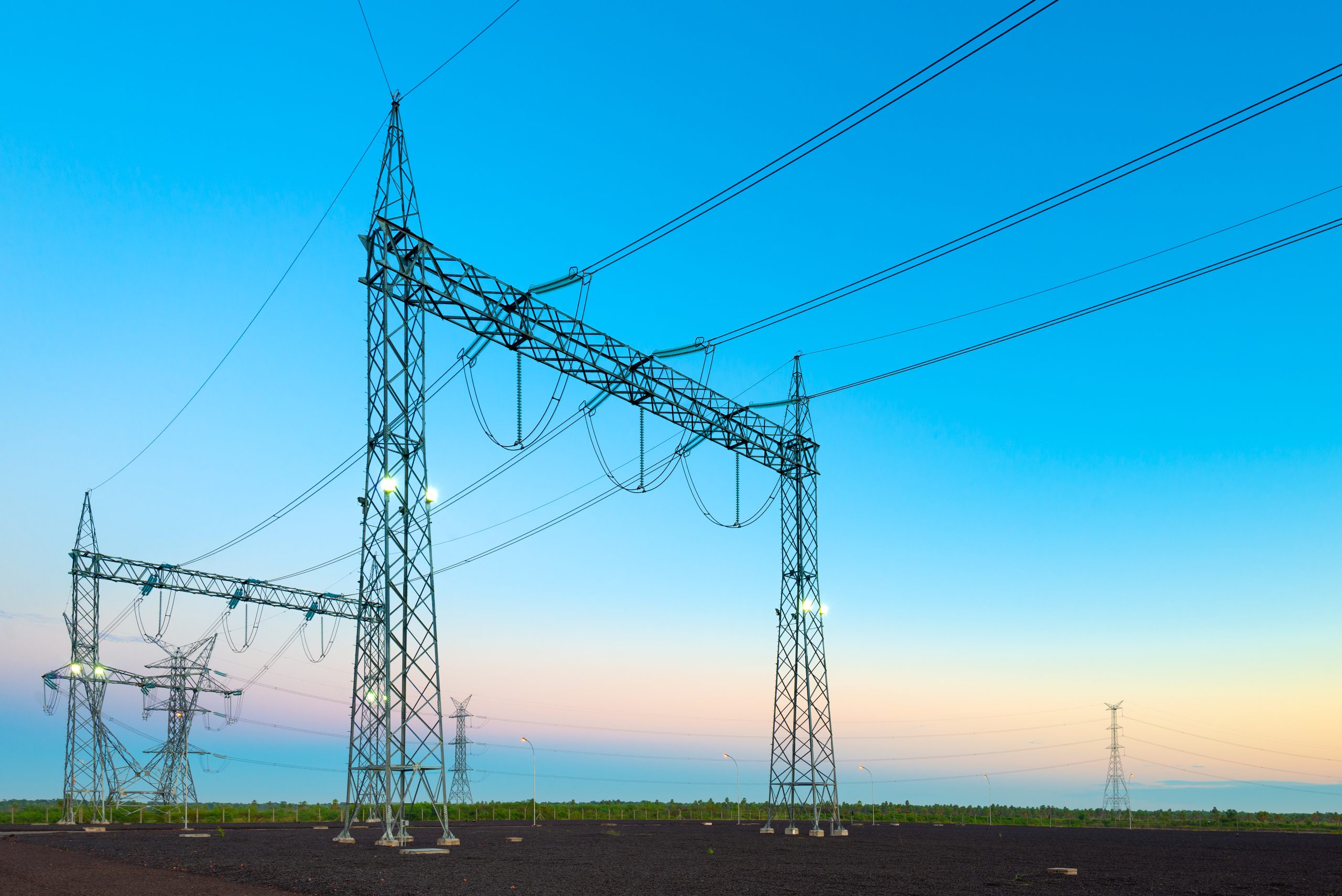
1. Power Distribution Boards (PDBs)
2. Transformers and Switchgear
3. Overhead and Underground Power Lines
4. Substations
5. Renewable Energy Systems (solar, wind)
6. Industrial Control Panels
7. Railways and Utilities
INSTALLATION
➥ Cable Preparation: Strip insulation from aluminum conductor as per required length.
➥ Cleaning: Clean conductor and lug barrel using emery paper and apply contact paste if needed.
➥ Insertion: Insert conductor fully into the aluminum barrel of the connector.
➥ Crimping: Use appropriate dies and crimping tools specified for bimetallic lugs.
➥ Mounting: Bolt the copper palm to the copper busbar or terminal, ensuring tight and secure contact.
➥ Insulation: Use heat-shrink sleeves or insulation tape for environmental protection.