
V TYPE TRUNBUCKLE
About The Product
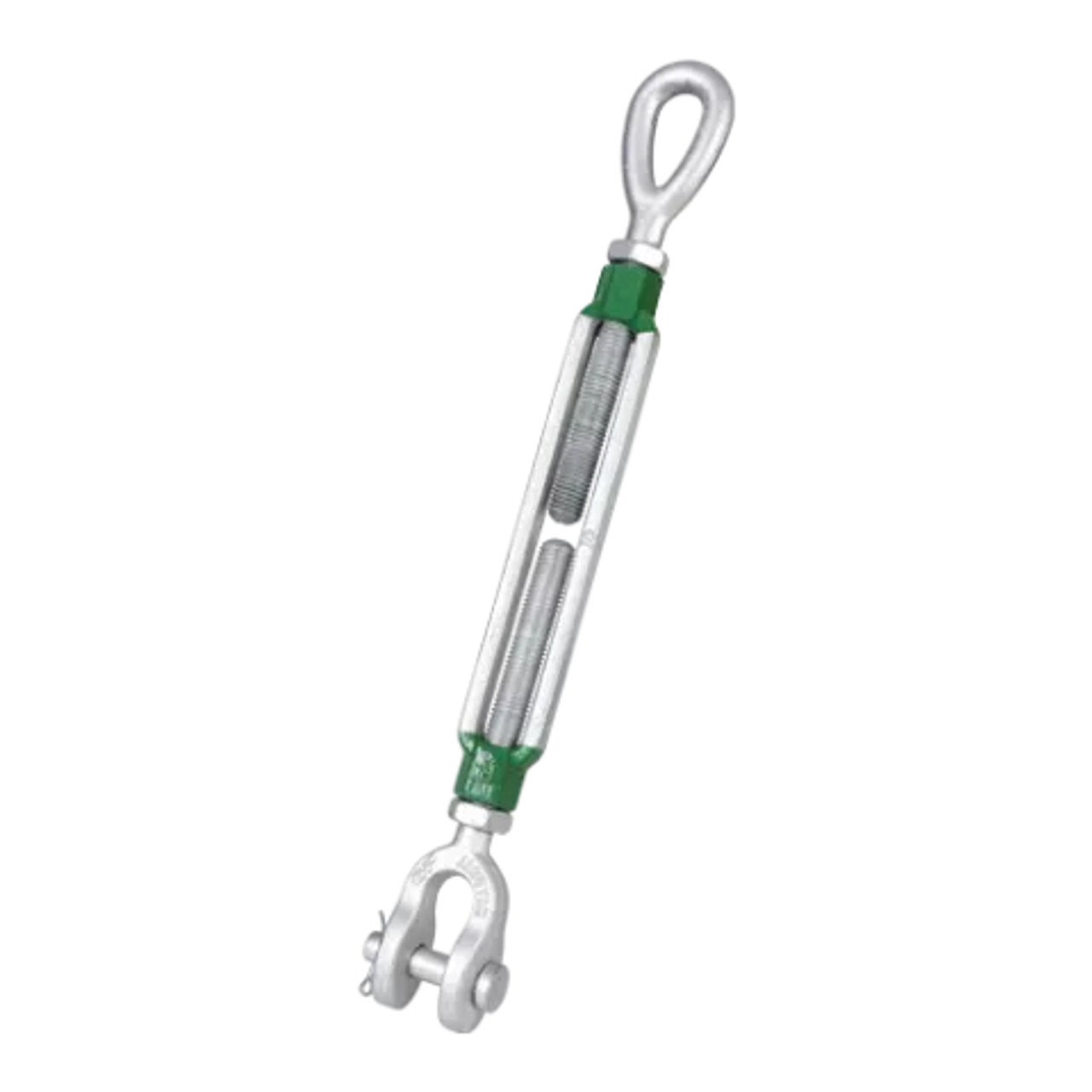
A V-Type Turnbuckle is a mechanical tension-adjusting device used in overhead transmission and distribution lines. It is primarily used for adjusting the mechanical tension in guy wires or stay sets that support electric poles and structures. The “V-Type” refers to its V-shaped design, which provides dual-arm support for distributing load evenly.
It is an essential component for maintaining pole verticality, especially in locations subject to strong winds, uneven terrain, or heavy conductor tension.
features
1. Adjustable Tensioning: Threaded mechanism allows precise tension adjustment.
2. Dual Arm/V-Shape: Offers better load stability and anchoring compared to straight turnbuckles.
3. Heavy-Duty Construction: Designed to withstand mechanical stress in LV and HV lines.
4. Galvanized Finish: Ensures corrosion resistance for outdoor use.
5. Eye/Hook/Threaded End Types: Available with different end fittings (eye-eye, hook-eye, etc.).
usage
1. Used in stay sets to maintain tension in guy wires.
2. Helps align poles vertically by pulling or releasing tension.
3. Provides fine mechanical adjustment after installation of poles or towers.
4. Ensures mechanical stability of structures in high-load zones..
size and range
standarization
1. IS 2486 (Part 1 & 2) – Indian Standard for overhead line fittings
2. REC Specification 34/1987 – Stay set components for rural electrification
3. ASTM A153 / A123 – Standard for zinc coating (galvanizing)
4. BS 3288 – British Standard for overhead line accessories
5. IEC 61284 – Overhead lines – Requirements and tests for fittings
application
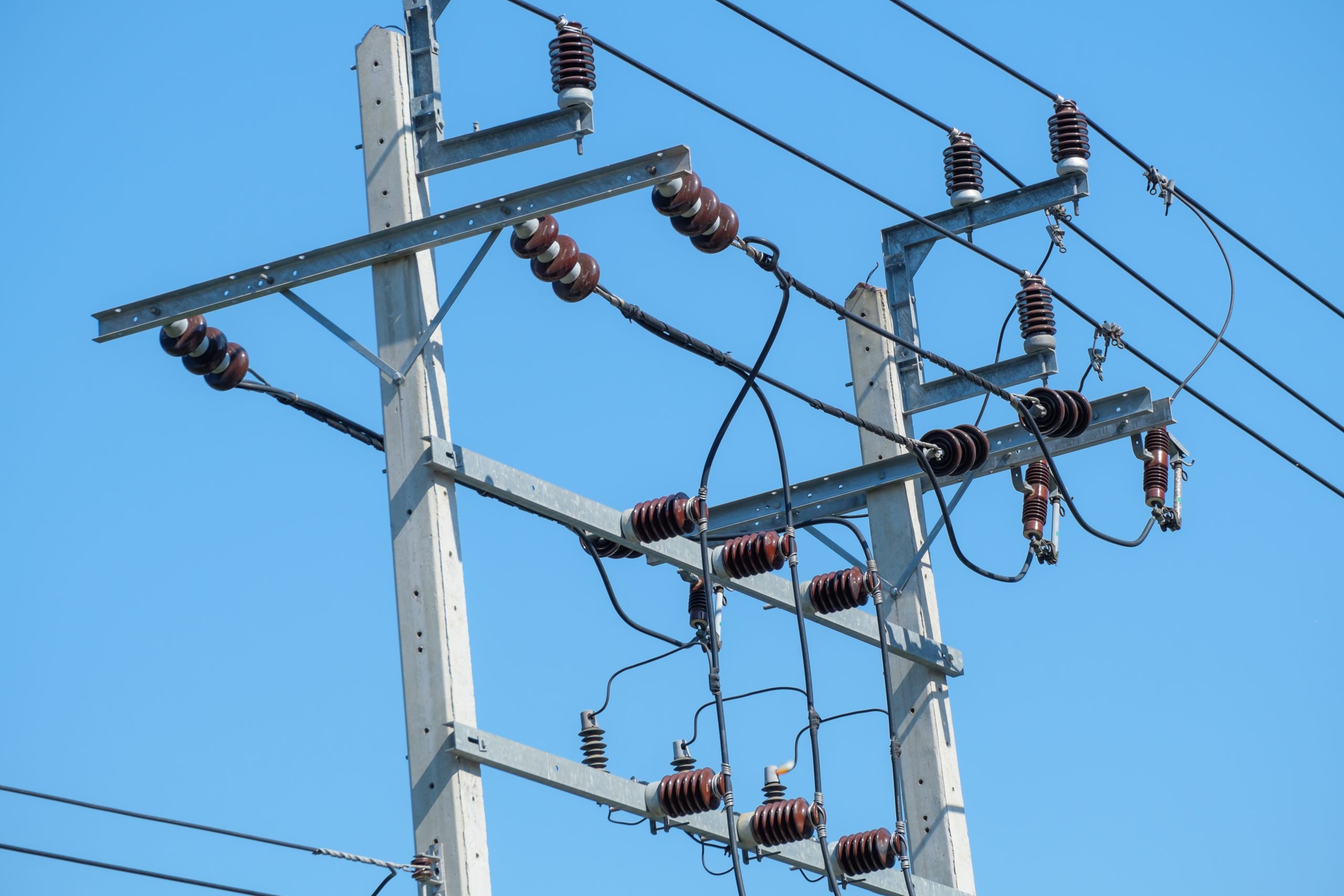
1. Low Voltage & High Voltage Overhead Lines
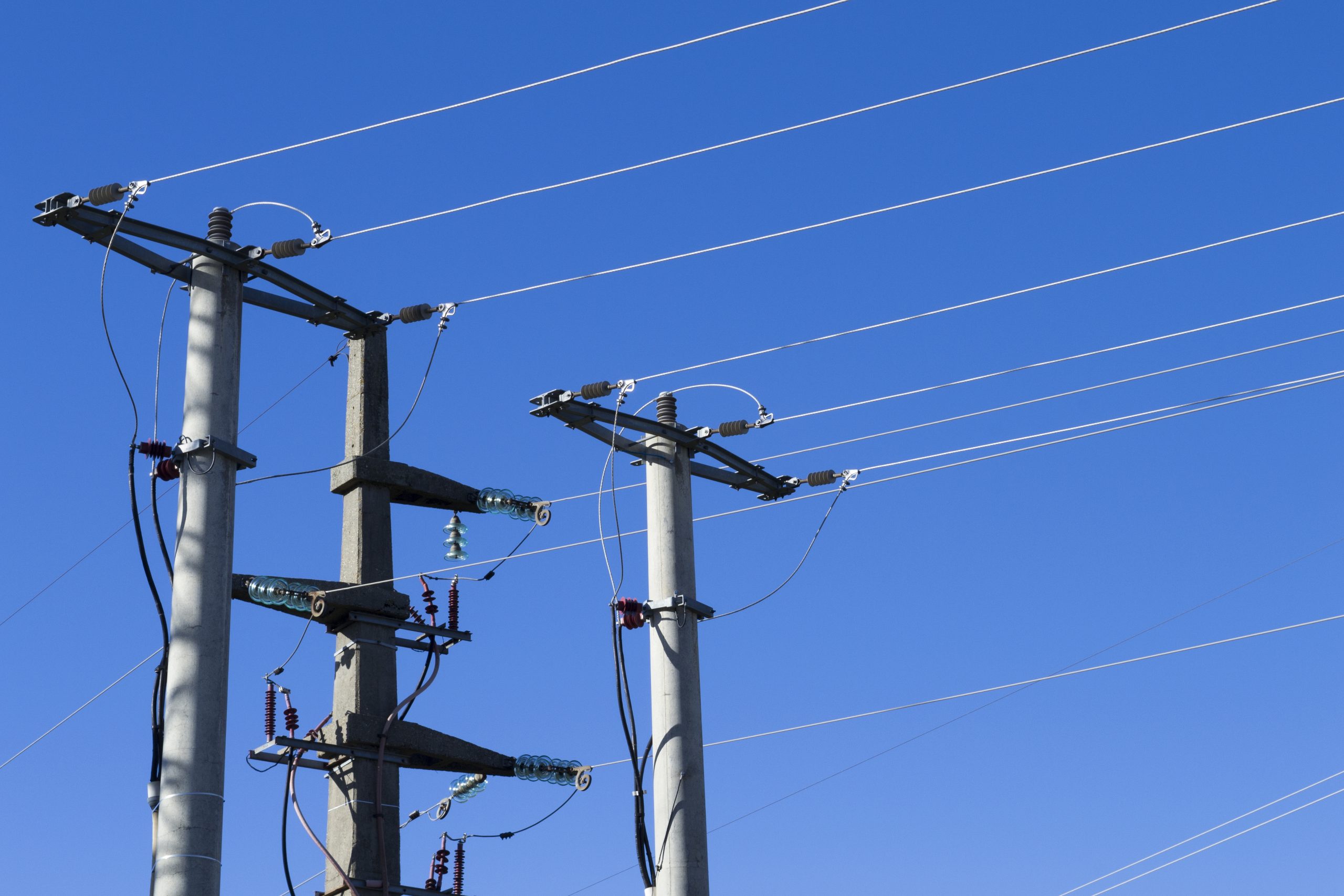
2. Stay/Guy Wire Assemblies on Electrical Poles
3. Railway Electrification Supports
4. Substation Structures
5. Telecom Poles and Masts
6. Wind-prone or hilly areas for tension control
installation
1. Attach turnbuckle between guy wire and pole/stay rod anchor point.
2. Ensure proper alignment and thread engagement.
3. Rotate the body to increase or release tension as needed.
4. Lock with check nuts or safety wire to prevent loosening due to vibration.
5. 0Ensure both arms are balanced for symmetrical load sharing.