
VIBRATION DAMPER
About The Product
A Vibration Damper is a critical mechanical device used in overhead power transmission and communication lines to reduce Aeolian vibration caused by wind. These vibrations, if uncontrolled, can cause fatigue damage to conductors, ground wires, or optical ground wires (OPGW), eventually leading to mechanical failure or decreased life span of the line.
Vibration dampers are installed at specific intervals along the conductor or cable, typically near suspension or tension hardware, where the amplitude of vibration is highest.

features
1. Energy Dissipation: Absorbs and dissipates wind-induced oscillations.
2. Frequency Tuning: Designed to dampen a range of vibration frequencies (typically 5–150 Hz).
3. Anti-fatigue Design: Reduces fatigue damage on conductors and associated hardware.
4. Durable Materials: Weather, UV, and corrosion-resistant components for long life.
5. Easy Installation: Clamp-on design allows quick, secure fitting on conductors.
usage
1.To support conductors or cables at suspension points without damaging the conductor.
2. To provide mechanical support while allowing axial movement and rotation.
3. Used at straight-line towers/poles or at points where the direction of the line does not change.
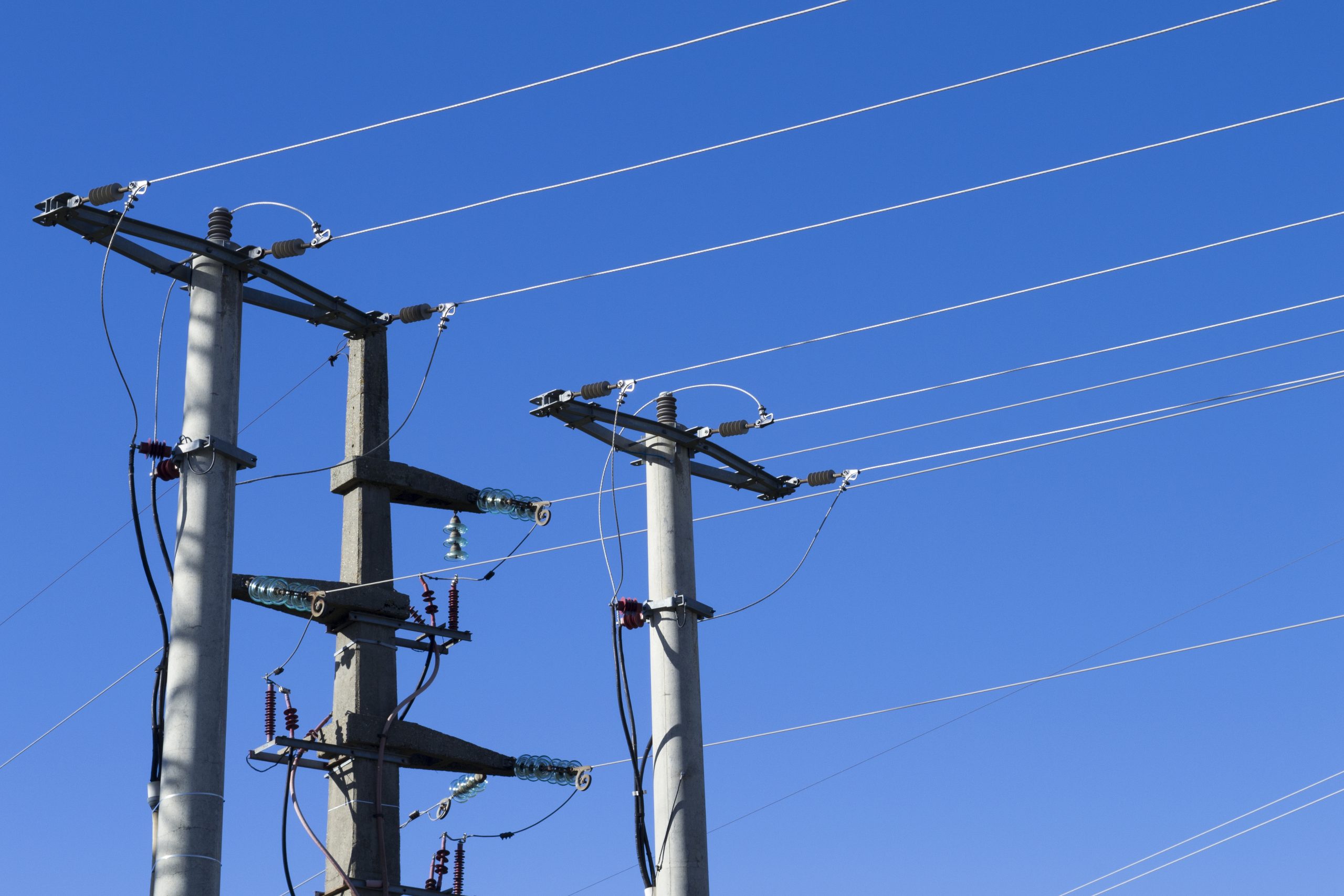
size and range
standarization
1. IEEE 563 – Guide for Vibration Dampers for Overhead Lines
2. IEC 61897 – Overhead lines – Requirements and tests for Stockbridge type dampers
3. ASTM A153 – Zinc Coating (Hot-Dip) on Iron and Steel Hardware
4. ASTM A475 – Standard for zinc-coated steel wire strand
5. GR-20-CORE – For optical cables (OPGW/ADSS applications)
application
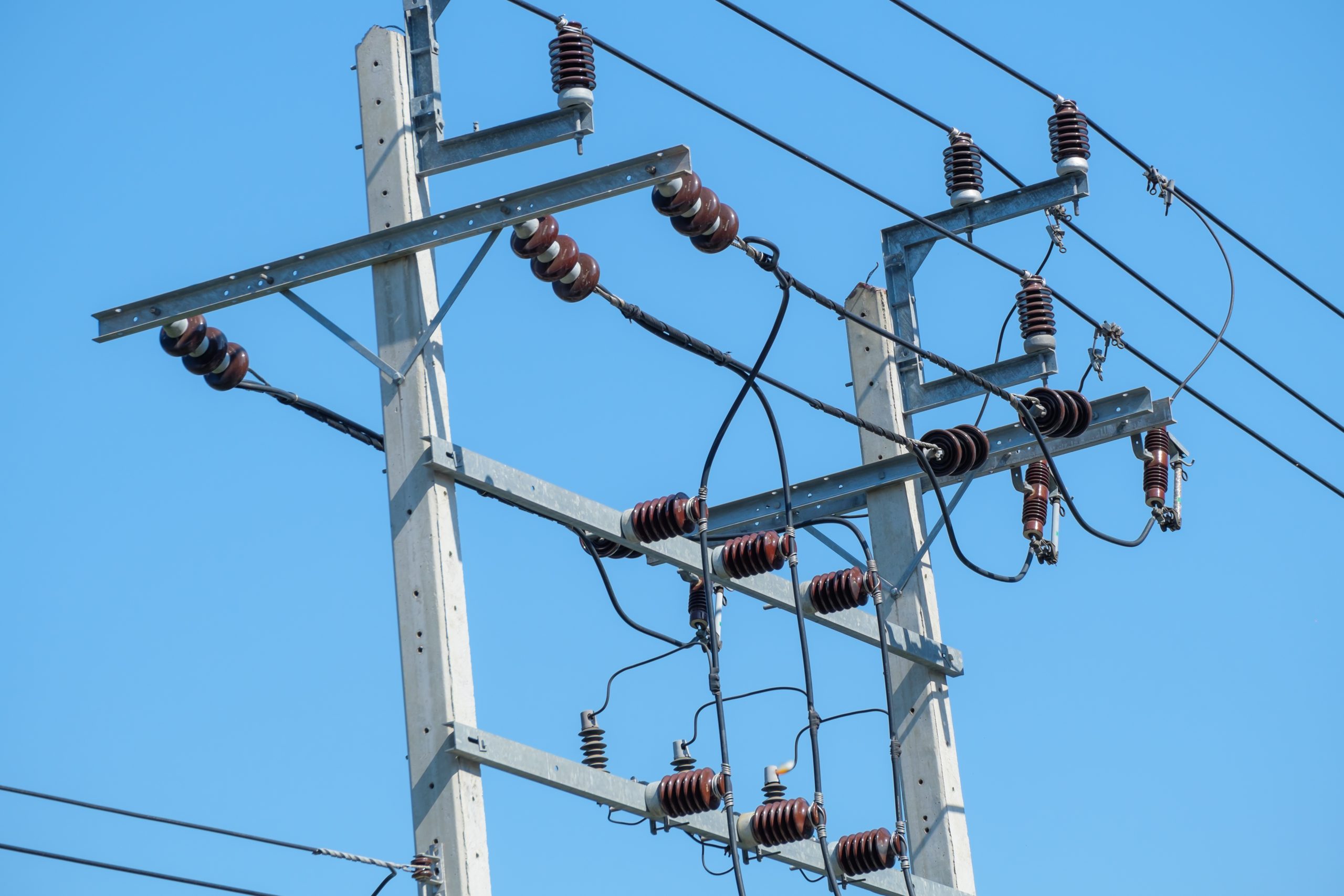
1. Power Transmission Lines (HV, EHV, UHV)
2. Distribution Overhead Lines
3. Telecom & OPGW/ADSS Installations
4. Railway Electrification
5. Wind-Prone Transmission Corridors
6. Mountainous Terrain Installations
installation
1. Select damper model based on cable type and diameter.
2. Install 1–2 dampers per span end (more for longer spans or high-vibration zones).
3. Use torque-controlled wrenches to avoid over-tightening.
4. Check for conductor movement post-installation to ensure effectiveness.