
pole clamps
About The Product
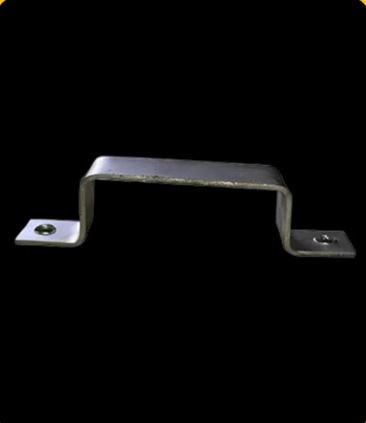
A Pole Clamp is a metal fixture used to secure hardware or equipment to a utility pole (typically wooden or concrete).
It’s a crucial component for safely and firmly attaching brackets, cross-arms, insulators, or other equipment to the pole.
Features
1.Durability:
Usually made from hot-dip galvanized steel, which resists rust and corrosion in all weathers.
2. Adjustability:
Some clamps are designed with slotted holes or multiple sizes to enable fine adjustments during installation.
3. Strength:
Robust enough to carry heavy-load equipment safely.
4. Weather resistance:
Suitable for use in a range of climate conditions — rain, snow, strong winds, or high UV exposure.
usage
1. Securing Cross-arms:
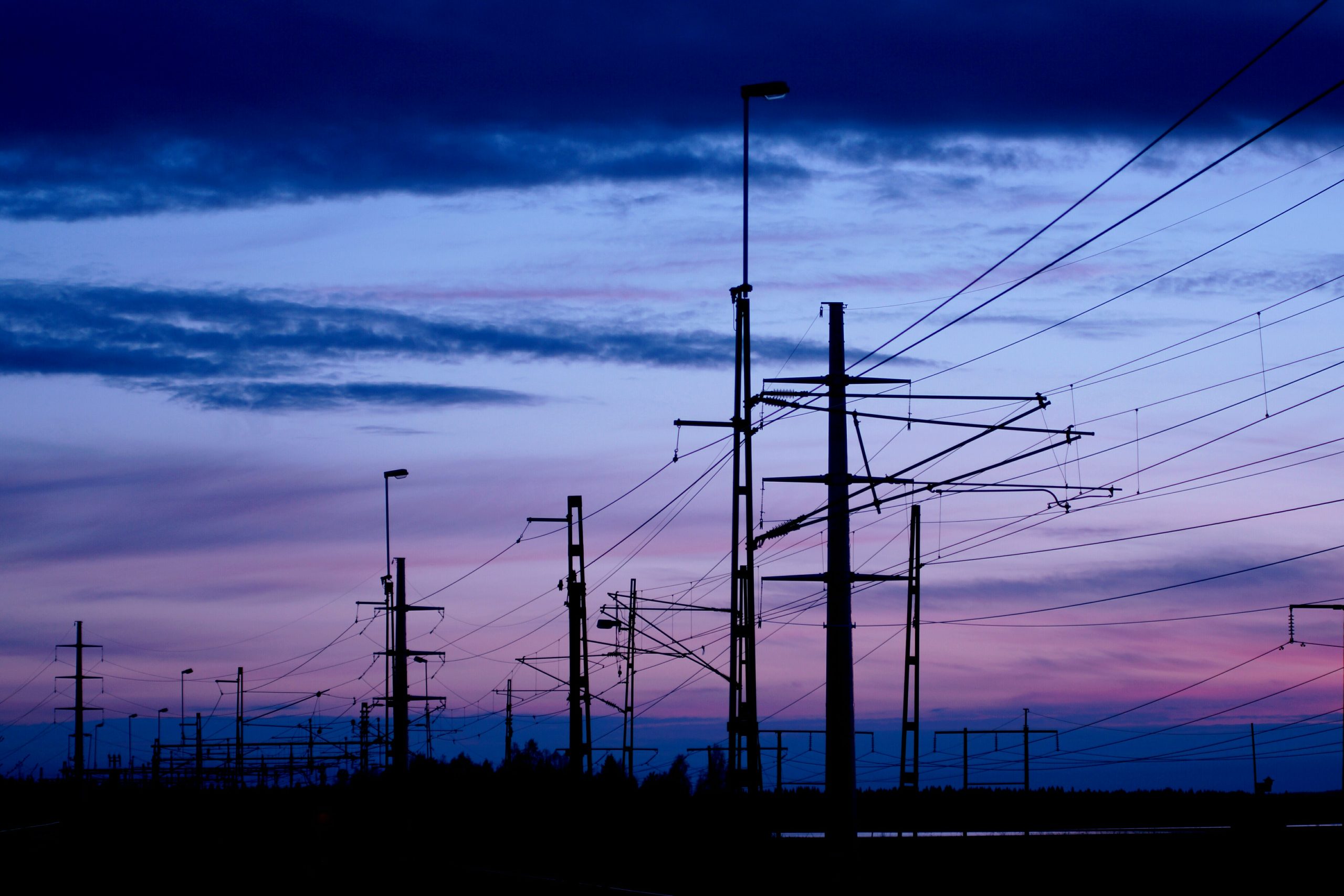
Pole clamps hold cross-arms in place, ensuring proper spacing and stability for conductors.
2. Installing Street Light Fixtures:
Some pole clamps enable easy mounting for lighting brackets.
3. General Support:
Provides a strong anchor point for secondary brackets, service drops, or related hardware.
size and range
Pole clamps come in different sizes and dimensions depending on:
1. The circumference of the utility pole (100 mm–300 mm).
2.The load to be supported.
General range:
1. Width of Steel Strip: 30 mm–50 mm
2. Thickness: 3 mm–6 mm
3. Distance Between Bolt Holes: typically 100 mm–250 mm
4. Clamp Size: designed to wrap safely and firmly around a range of pole diameters (typically 100 mm–250 mm)
Standarization
1. IS 2486 — General specification for hardware used in overhead lines (India)
2. IEC 60383 — General specification for insulators and related hardware
3. ASTM A153 — Hot-dip galvanization standard
4. Local utility standards (depending upon country)
application
1. Distribution lines:
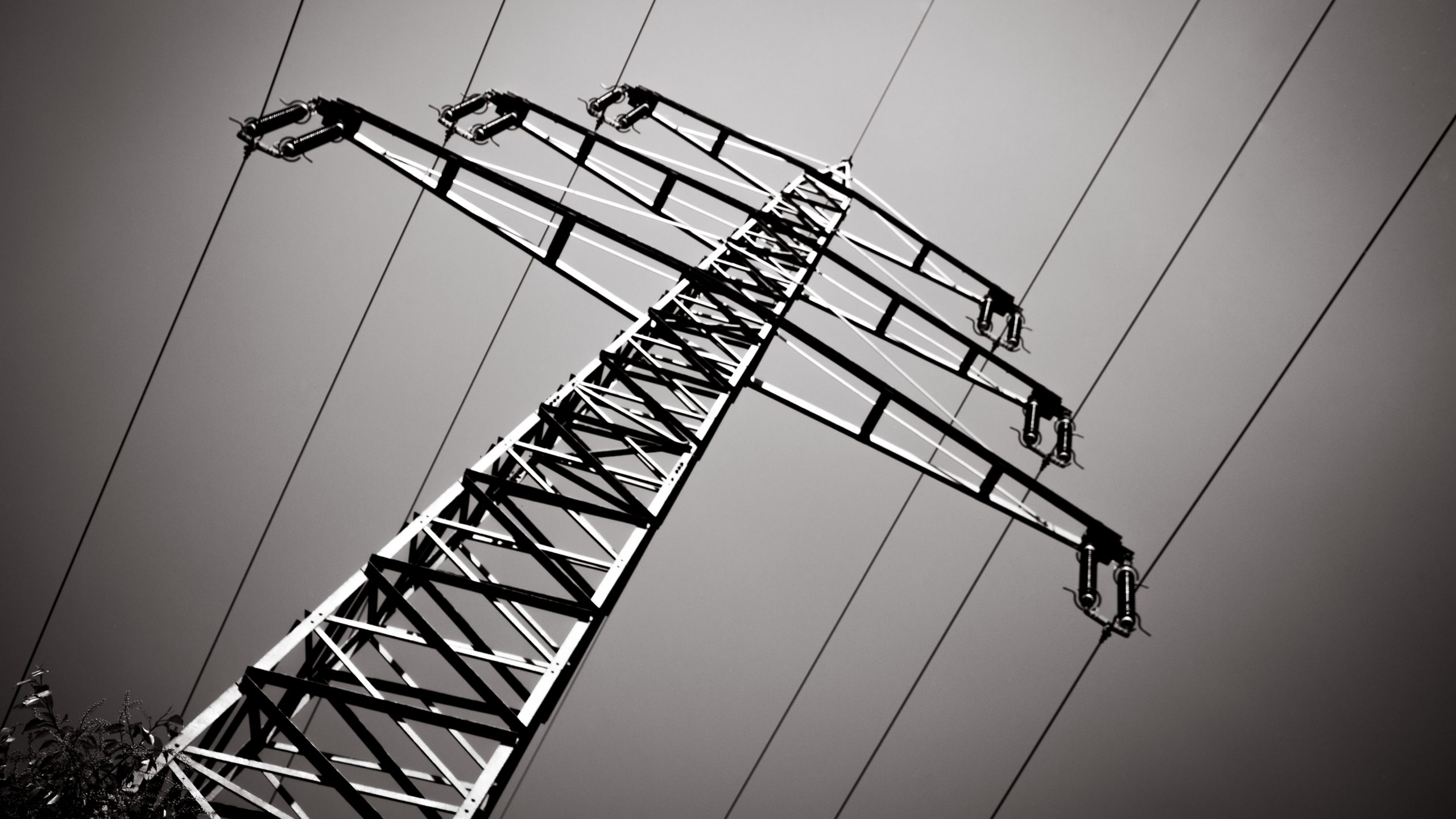
To enable the proper mounting of cross-arms, insulators, brackets, cutouts, or arresters.
2. Transmission lines:
Provides structural support to heavy equipment under high mechanical stress.
3. Street lighting:
Support for lighting brackets alongside power lines.
4. General utility structures:
Installing secondary equipment safely alongside main distribution components.
installation
➥ Placement:
The clamp is placed directly around the utility pole at the desirable height.
Usually, it's secured with bolts, nuts, or threaded rod.
➥ Safety measures:
1. Proper torque application to avoid overtightening
2. Align to keep brackets or cross-arms level
3. Inspection after installation to confirm stability and proper tightness
4. Use of proper tools (wrenches, ratchets) for securing bolts safely