
TRUNBUNCKLES
About The Product
A turnbuckle consists of two threaded eye bolts, hooks, or jaws—one screwed into each end of a small metal frame. One end has right-hand threads and the other has left-hand threads. Rotating the central body draws both ends together, increasing tension or shortening the assembly. In electrical systems, turnbuckles are critical for adjusting the tension in guy wires, supporting poles, and grounding connections in substations and towers.
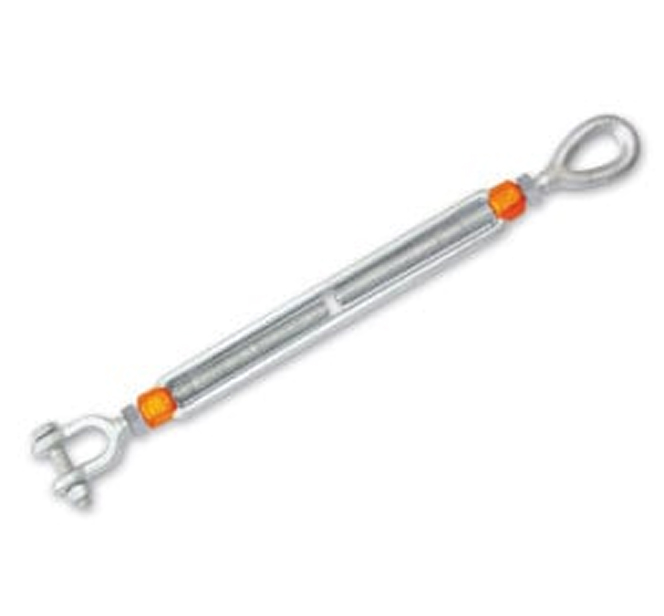
featueres
1. Adjustability: Fine-tuned control of wire or rod tension.
2. Material Strength: Made from galvanized steel, stainless steel, or forged carbon steel to resist corrosion and withstand heavy loads.
3. Thread Design: Left and right-handed threads for simultaneous tightening.
4. Versatile End Fittings: Eye, hook, or jaw ends for various connections.
5. Weather Resistance: Galvanized or coated options for outdoor use.
6. Compact Structure: Simple but effective tensioning mechanism.
usage
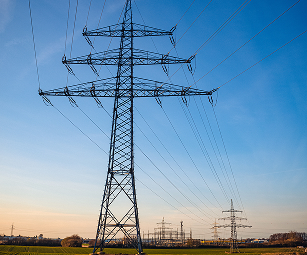
1. Guy Wire Tensioning: Adjusting tension in guy wires that support utility poles or transmission towers.
2. Overhead Line Construction: Supporting conductors during sag adjustment.
3. Grounding Systems: Connecting and tensioning grounding rods or straps.
4. Antenna and Mast Installation: Stabilizing masts, antennas, or light towers.
5. Solar and Wind Installations: Structural support tensioning.
size and range
standardization
1. ASTM F1145: Standard for turnbuckle hardware.
2. ANSI C135.4: Hardware for overhead line construction.
3. BS 4429: British Standard for rigging hardware.
4. ISO 898-1: Mechanical properties of fasteners.
5. NEMA and IEC standards may also apply depending on the application.
aPPLICATION
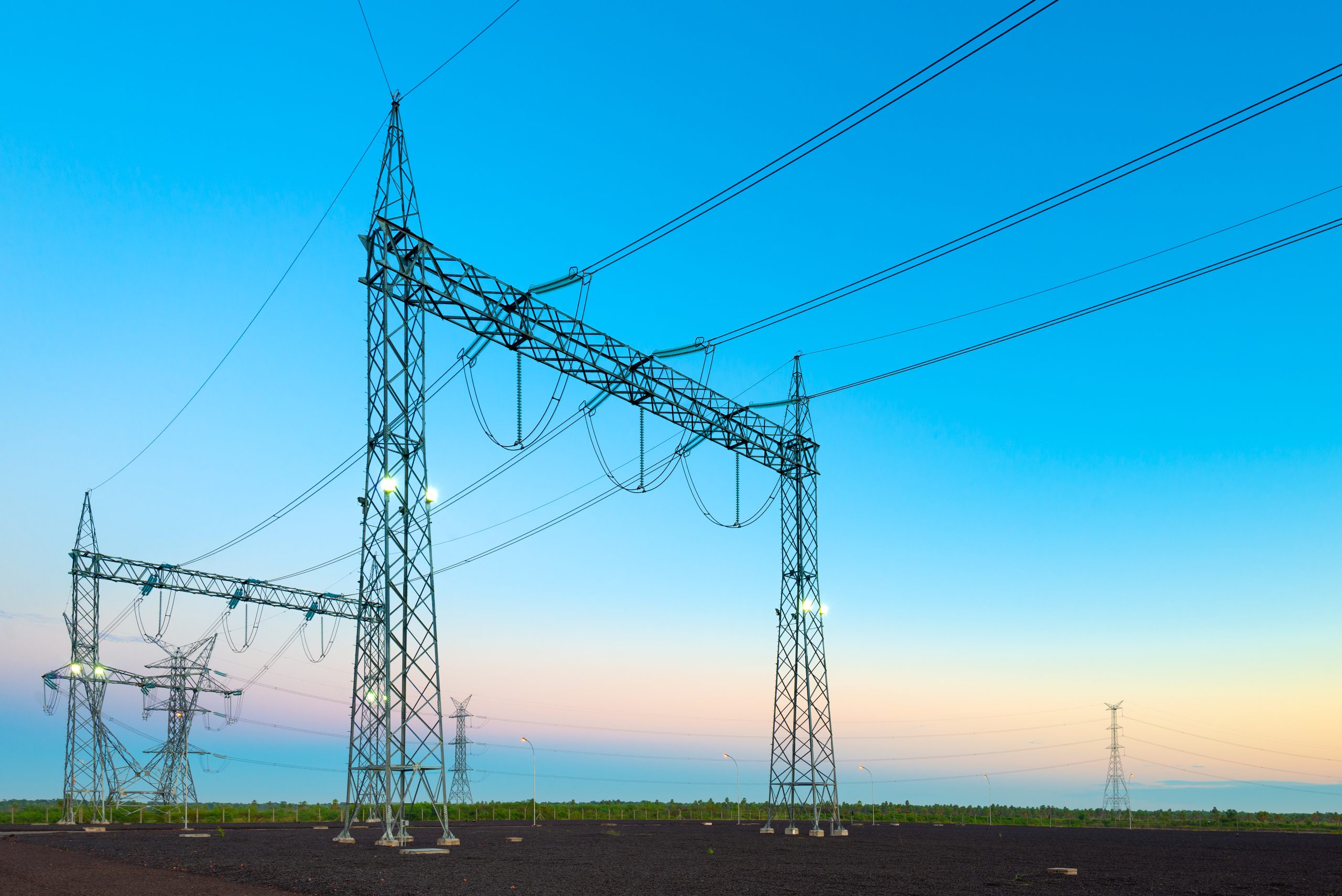
1. Transmission Towers: Maintaining guy wire tension under load and environmental changes.
2. Distribution Poles: Ensuring proper alignment and support.
3. Substation Grounding: Securing grounding conductors.
4. Temporary Electrical Installations: Fast setup and dismantling with adjustable tension.
5. Solar Farms and Wind Energy Sites: Cable and structural support.
INSTALLATION
Choose the Correct Type:
1. Eye-Eye: Secure, semi-permanent installations.
2. Hook-Eye: Temporary or removable tensioning.
3. Jaw-Jaw: Rigid connection with clevis pin.
Preparation:
1. Inspect threads and body.
2. Lubricate if necessary.
Mounting:
1. Secure ends to anchoring points.
2. Use appropriate hardware (nuts, bolts, cable clamps).
Tensioning:
1. Turn the body clockwise to increase tension.
2. Ensure symmetrical threading for balanced adjustment.
Locking:
1. Use lock nuts or safety wires to prevent loosening due to vibration.
Inspection:
1. Periodically check for corrosion, deformation, or loosening.