
CORONA RINGS
About The Product
A Corona Ring (also known as a grading ring) is a metallic ring, typically made of aluminum or stainless steel, that is installed on high-voltage equipment such as bushings, insulators, transformers, circuit breakers, and transmission line terminals. Its main function is to reduce corona discharge — the ionization of air due to high electric field strength.
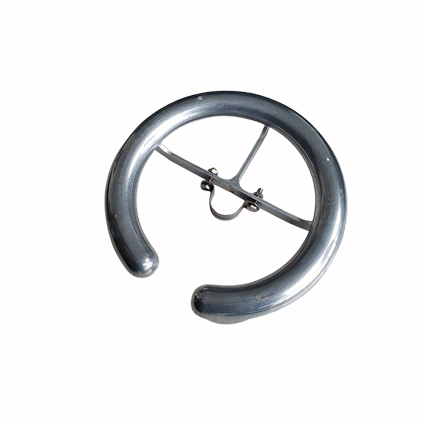
featueres
1. Electric Field Distribution: Uniform distribution of the electric field across the surface of insulators and terminals.
2. Corona Discharge Prevention: Reduces audible noise, power loss, and radio interference caused by corona.
3. Weather Resistant: Typically made from corrosion-resistant aluminum or stainless steel.
4. Mechanical Strength: Durable construction to withstand environmental and mechanical stresses.
5. Customizable Design: Can be designed in various shapes and sizes (circular, elliptical) to suit equipment.
usage
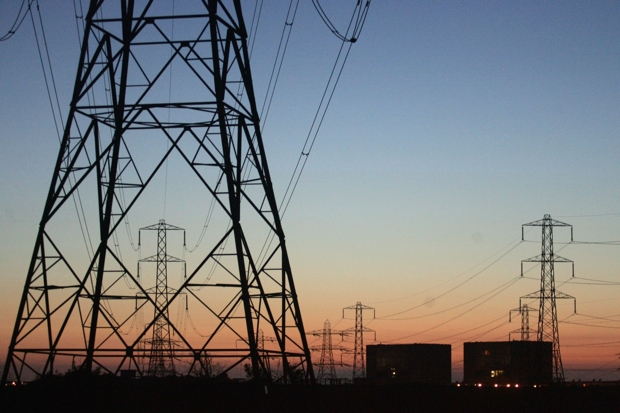
1. Overhead transmission lines (typically above 132 kV).
2. High-voltage bushings.
3. Surge arresters.
4. Transformers and reactors.
5. High-voltage test equipment.
6. Circuit breakers.
7. Gas-insulated switchgear (GIS).
size and range
The size of corona rings varies depending on:
1. System voltage (typically from 66 kV to 1200 kV).
2. Type and design of the equipment.
3. Installation environment (outdoor or indoor).
Typical dimensions:
1. Inner diameter: 100 mm to 3000 mm.
2. Tube diameter: 20 mm to 150 mm.
3. Thickness: Based on design needs (3 mm – 20 mm).
4. Material: Aluminum (6061-T6), Stainless Steel (SS304, SS316).
standardization
1. IEC 60071: Insulation coordination.
2. IEC 60168: Tests on indoor and outdoor post insulators.
3. IEEE Std 4: Techniques for high-voltage testing.
4. ANSI C29.1 - C29.9: For insulators and fittings.
aPPLICATION
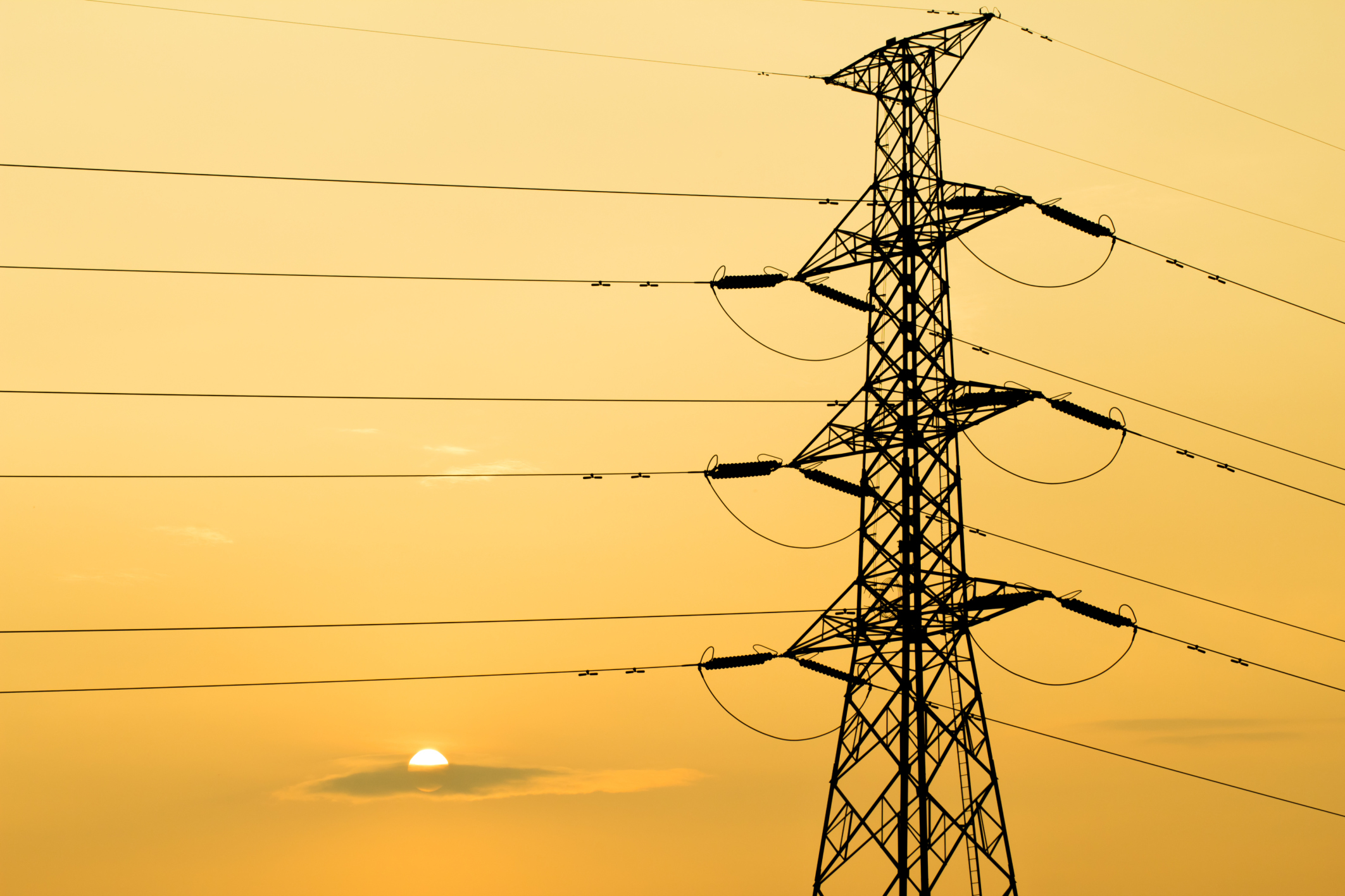
1. High Voltage Transmission Lines: Reduce corona at conductor terminations.
2. High Voltage Test Laboratories: Used in test setups to avoid unwanted discharges.
3. HVAC and HVDC Substations: On equipment like surge arresters, insulators, and bushings.
4. Gas Insulated Systems (GIS): In confined environments to manage field intensity.
5 Power Transformers: At bushing terminals to reduce corona and extend life.
INSTALLATION
➥ Must be placed at specific locations where electric field intensity is highest.
➥ Correct alignment and distance from terminal surfaces are crucial.
➥ Use of finite element analysis (FEA) software is common for electric field simulation during design.