
CONDUCTOR SPECERS
About The Product
Conductor spacers are mechanical devices used to maintain a fixed distance between conductors in bundle conductor systems used in high-voltage overhead transmission lines (typically 220kV and above). In multi-bundle conductor arrangements (e.g., twin, triple, quad), spacers prevent conductors from coming into contact due to wind, electromagnetic forces, or vibration.
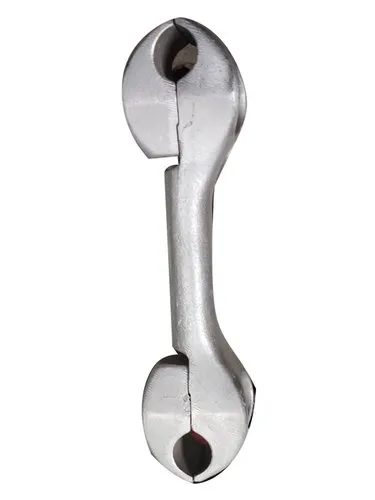
featueres
1. Non-magnetic and lightweight materials (commonly aluminum alloy and polymer)
2. Corrosion-resistant coatings or anodization
3. High mechanical strength
4. UV and weather resistance
5. Customizable clamp designs for different conductor sizes
6. Designed to dampen vibrations (especially spacer-dampers)
usage
1. Used in bundle conductor configurations (twin, triple, quad, hex).
2. Installed at regular intervals (typically 50–100 meters) to:
I. Maintain phase spacing,
II. Prevent clashing due to wind galloping,
III. Minimize corona loss and radio interference,
Iv. Control conductor vibration (with spacer-dampers).

size and range
Types Based on Bundle:
1.Twin bundle spacers
2. Triple bundle spacers
3. Quad bundle spacers
4. Hex bundle spacers
Range Parameters:
1. Conductor diameters: Typically 18 mm to 40 mm
2. Bundle spacing: Ranges from 300 mm to 600 mm (standard spacing between conductors)
3. Material options: Aluminum alloy, composite (for lightweight design)
standardization
1. IEC 61854: Vibration dampers and spacers
2. IEEE Std 524: Guidelines for spacer installation
3. ASTM B117: Corrosion resistance (for environmental testing)
4. IS 398 (Part II): Indian Standard for conductors (related reference)
5. Customer utility standards (e.g., PG&E, NTPC, PGCIL specs)
aPPLICATION
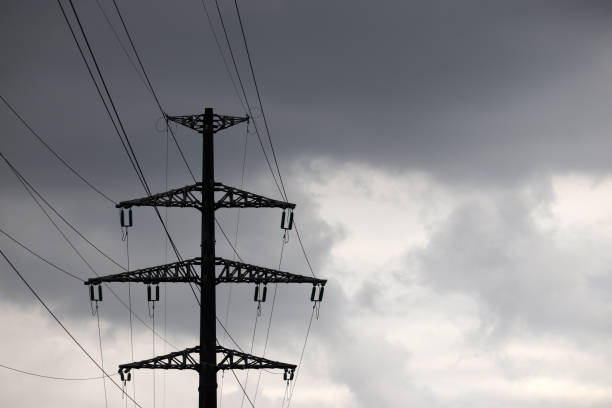
1. High voltage (HV), Extra High Voltage (EHV), Ultra High Voltage (UHV) transmission lines
2. 220kV, 400kV, 765kV, and 1200kV lines
3. Long-span crossings (rivers, valleys)
4. Windy or coastal regions where galloping or vibration risk is high
5. Compatible with both AC and DC transmission systems
INSTALLATION
➥Performed during line erection or retrofitting.
➥Requires hydraulic or mechanical torque tools to fasten clamps to conductors.
➥Every 50–80 meters for twin/triple bundles,
➥Increased frequency in areas prone to wind-induced vibration.
➥Orientation must match manufacturer recommendations for damping properties.