
3 BOLTED TYPE SINGLE TENSION HARDWARE CLAMP
About The Product
The 3 Bolted Type Single Tension Hardware Clamp is a mechanical connector used in overhead transmission and distribution systems to anchor conductors under tension. Designed specifically for dead-end or termination applications, it ensures a secure grip on the conductor without causing damage.
The “3-bolted” design provides even pressure distribution across the conductor, while the “single tension” specification means it is used to handle one conductor at a time (as opposed to twin or bundled conductors).

features
1. Triple Bolt Design: Provides strong, uniform clamping pressure.
2. Mechanical Strength: Supports conductor tension without slippage.
3. Ease of Installation: Requires no special tools; standard spanner-compatible.
4. Corrosion Resistant: Hot-dip galvanized or aluminum alloy options.
5. Anti-slip Serrations: Prevent conductor movement under load.
6. Universal Use: Fits standard ACSR, AAC, or AAAC conductors.
usage
1. sed in Dead-End Connections at poles, towers, or structures.
2. Anchors conductor ends to insulators, tension fittings, or hardware strings.
3. Designed to withstand mechanical load, thermal stress, and vibrations.
4. Suitable for ACSR, AAC, AAAC, and OPGW cables (with proper sizing).
5. Often installed at end spans, angles, or line terminations.

size and range
standarization
1. S 2486 (Part 1 & 2) – Indian Standard for fittings for overhead lines
2. IEC 61284 – Overhead lines: Requirements for fittings
3. ASTM A153 / A123 – Standard for galvanizing of steel hardware
4. BS EN 50182 – Mechanical tension clamps for overhead lines
5. REC Specification No. 33/1987 – For rural electrification projects
6. Type-tested for mechanical strength and electrical conductivity
application
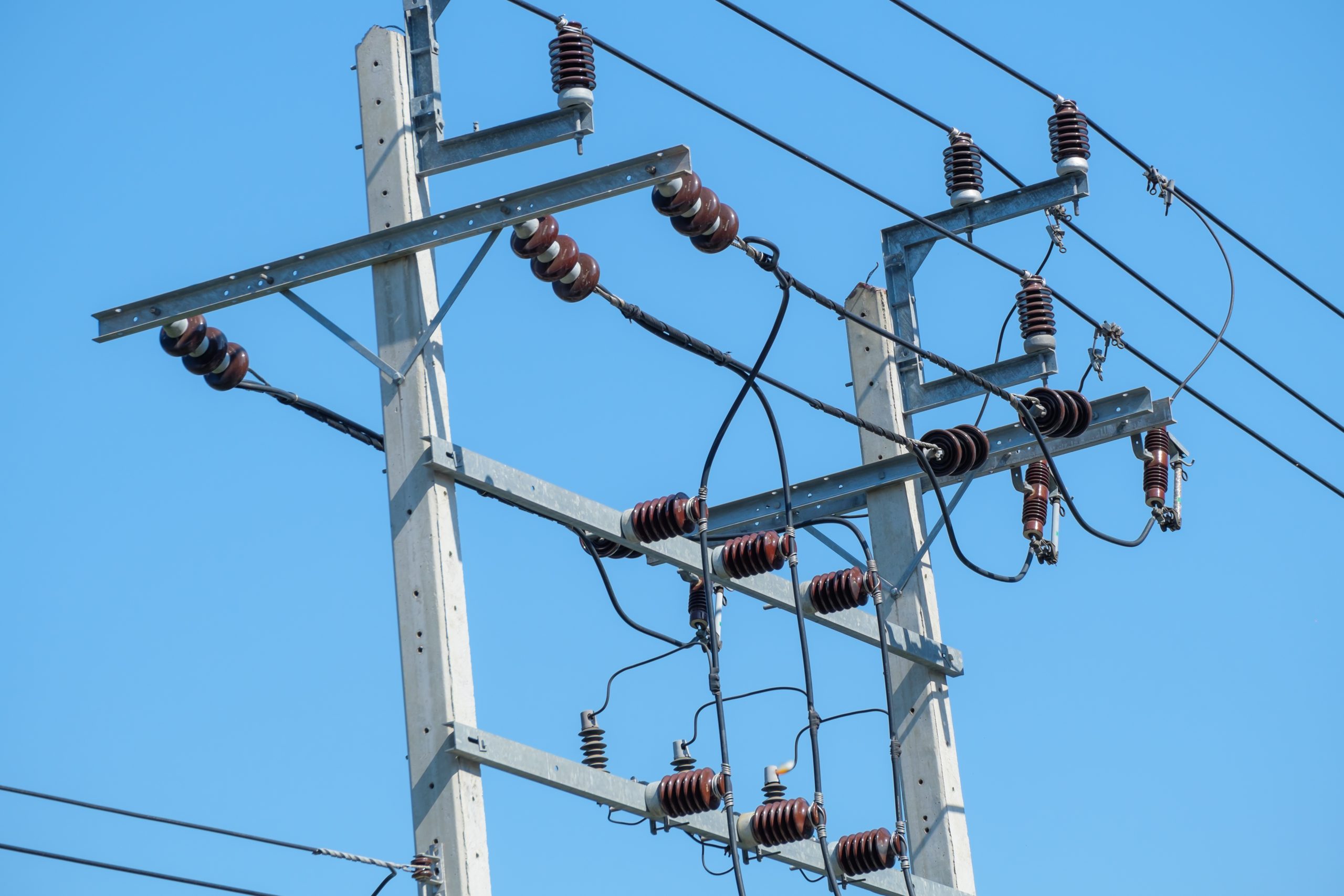
1. Dead-end poles or termination points in transmission lines (11 kV to 400 kV)
2. Distribution networks (LT, HT, and MV overhead lines)
3. Railway electrification systems
4. OPGW or ADSS cable anchoring (when matched properly)
5. Wind-prone areas to prevent slippage due to dynamic loads
installation
1. Match clamp size to conductor size and type.
2. Place conductor into the clamp groove.
3. Tighten the three bolts in sequence to ensure uniform compression.
4. Use a torque wrench if required (per manufacturer specs).
5. Ensure no sharp edges or over-tightening that may damage conductor strands.